Alysa Liu’s journey stands out in figure skating because she blends fearless athletic ability with a personal story shaped by bold choices and genuine passion. Alysa Liu rose quickly as a young prodigy, stunned audiences with record setting jumps, and later stepped away from competition to reclaim joy and balance in her life.
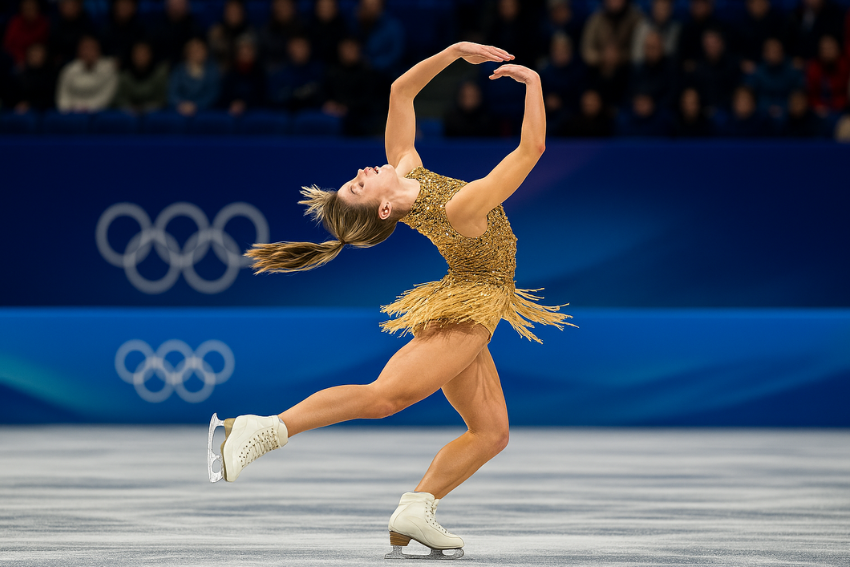
Her return to the ice marked a powerful new chapter defined by creativity, confidence, and a renewed love for the sport. With her expressive style, technical strength, and authentic presence, Alysa has redefined what excellence can look like for a modern skater.
From Oakland Rinks to a Global Stage
Liu grew up in the Bay Area and first stepped on the ice at five. By 13, she shocked the skating world as the youngest ever U.S. women’s national champion, then repeated the title at 14, adding triple Axels and historic quads to her arsenal.
Her rise felt meteoric, but it was not a fairy tale without friction. In 2019 she became the first American woman to land a quadruple Lutz in competition, and the first woman globally to land a quad and a triple Axel in the same program at a Junior Grand Prix event. That single night in Lake Placid announced a new era for U.S. women’s skating.
The First Act Closes at 16
After finishing as the top American woman at the Beijing 2022 Olympics and taking Worlds bronze a month later, Liu did something few elite athletes dare to do. She retired. At sixteen. She explained that she had skated almost every day since childhood and wanted a life that included family, friends, and ordinary teenage experiences.
Reporters would later detail how the constant pressure and years of homeschooled training drained the joy from the rink. She announced her retirement in April 2022 via Instagram, a move that surprised fans but made perfect sense to a teen who had accomplished her first big goal.
The Comeback That Changed Everything
The spark returned in early 2024. A ski trip brought back the rush of flying. She laced up, tested the ice, and realized she still had the goods. More importantly, she wanted to skate again, this time on her terms, from costumes to choreography to the creative choices that shape programs.
That second act had a different energy. Coaches Phillip DiGuglielmo and Massimo Scali leaned into Liu’s freer approach and helped refine the balance between big jumping content and performance. The partnership clicked, and the joyful style you saw on global broadcasts grew out of a training environment built around autonomy and trust.
World Champion, Then Olympic History
The results came fast. In 2025, Liu won World Championship gold, the first U.S. woman to do so since 2006. It was a full circle moment for a skater who had walked away and come back for the love of the craft.
At Milano Cortina 2026, she delivered again. Liu won gold in the team event, then stormed to gold in women’s singles, ending a 24-year drought for the United States and becoming the first American woman to win individual gold since 2002. Her score and presentation on the free skate drew roars in the arena and cheers across social feeds.
Media marveled at the arc. She had retired after Beijing, spent two seasons out of competition, returned in 2024, and then stood atop the Olympic podium in 2026. The storyline resonated because it felt human. She did not chase perfection. She built joy and excellence together.
What Makes Alysa Liu Different
She treats pressure like a backdrop, not a driver.
Observers noticed how relaxed she seemed in Milan, from smiling in the kiss and cry to focusing on sharing her story rather than fixating on results. That mindset showed in the free skate that sealed gold.
She blends high difficulty with performance value.
Liu pushed women’s technical boundaries at 13 with triple Axels and quads, then refined the whole package. The comeback placed equal weight on musicality, costume design, and connection with the crowd, which elevated her component marks and made her programs feel complete.
She insists on doing it her way.
Her signature striped hair and creative choices are not gimmicks. They signal agency. Interviews around the Games emphasized that she wanted control over how she looked and what she skated to. That authenticity has turned her into an icon well beyond the rink.
The Human Behind the Medals
A Bay Area kid who loved ice grew into a champion who still laughs about late-night dinners with siblings during the busiest week of her athletic life. Profiles also point to how stepping away gave her space to rediscover the parts of skating that felt like art, not obligation. You can see it in the way she finishes programs, head up and eyes scanning the audience as if to say thank you for being part of this with me.
Her family story and the guidance of a devoted coaching team shaped her early years. She had multiple coaching changes as a teen, a reality in elite figure skating, and eventually reunited with DiGuglielmo and Scali for the comeback run. That decision looks inspired.
What Her Rise Means for Women’s Skating
Liu’s technical barrier breaking as a young teen gave U.S. women a new blueprint. Landing a triple Axel or a quad is not a novelty when it is part of a broader performance strategy. It is a tool. Her junior landmark in 2019 proved that American women could combine the most difficult jumps with complete programs. Her senior titles show how that approach matures.
Her Olympic win also resets expectations for the U.S. program. Ending the medal drought matters symbolically, but the manner of her victory matters more. The sport moved forward with a champion who visibly enjoyed the stage and invited audiences into the performance. That energy is attractive to the next generation.
Lessons From a Career Lived in Chapters
If you write about sport for a living, Alysa Liu’s story is irresistible because it refuses to follow the usual template. She started early. She climbed fast. She stepped away before the world expected it. Then she returned, better, brighter, and more herself. That is a message young athletes and parents need to hear.
Takeaways for developing skaters and their teams
- Autonomy fuels longevity. Give athletes a real voice in program music, costume choices, and training structure. Buy-in shows up on the scoreboard.
- Breaks can be strategic. A pause can restore motivation and protect mental health without derailing potential. Liu’s two-year gap likely extended her peak.
- Balance difficulty with identity. Technical arms races come and go. What endures is how a skater makes people feel. Build programs that say something personal.
What Is Next
Right after her Olympic triumph, reports indicated that Team Liu eyed the 2026 World Championships to skate the Olympic programs again for a global encore. That kind of immediate reset tells you she is still hungry, but on her own schedule.
Whatever the calendar brings, she has already done the hardest thing. She turned the sport back into something she loves. The medals followed.
Quick Facts
- Birth: August 8, 2005 | Clovis, California
- Height: 5 ft 2 in
- Clubs and roots: St. Moritz Skating Club, Oakland
- Signature achievements: 2019 and 2020 U.S. champion, 2025 World champion, 2026 Olympic team and individual golds
- Technical firsts: First American woman to land a quad in competition, first woman to land a quad and triple Axel in the same program at a JGP event
- Personality markers: Ringed hair, unapologetically authentic, joy-first mindset
Final Thought
Alysa Liu reminds us that excellence is not just about the size of the jumps. It is about owning your story in front of millions and inviting them in. That is why her golds feel like more than medals. They feel like a new template for greatness.
FAQs
Why did Alysa Liu retire in 2022 despite her momentum?
She said she wanted a normal life after 11 intense years on the ice. She had achieved her initial goals and needed time away from the pressure of elite sport.
What changed in her comeback?
She returned in 2024 on her terms, taking control of music, costumes, and program aesthetics, and reuniting with coaches who embraced that autonomy. The joy came back, and with it came results.
How historic was her Olympic win?
She ended a 24-year U.S. drought in women’s singles and added a team gold, becoming a double Olympic champion at 20.