HepatoBurn is marketed as a liver‑support supplement that can help you burn fat more efficiently by improving liver function. That pitch sounds attractive, especially if you have tried calorie cuts and cardio yet still feel stuck. In this deep dive, I unpack what the brand claims, what is actually in typical HepatoBurn formulas, what science says about those nutrients, and who might benefit or should be cautious. I’ll also give you practical pointers so you can decide with clarity.
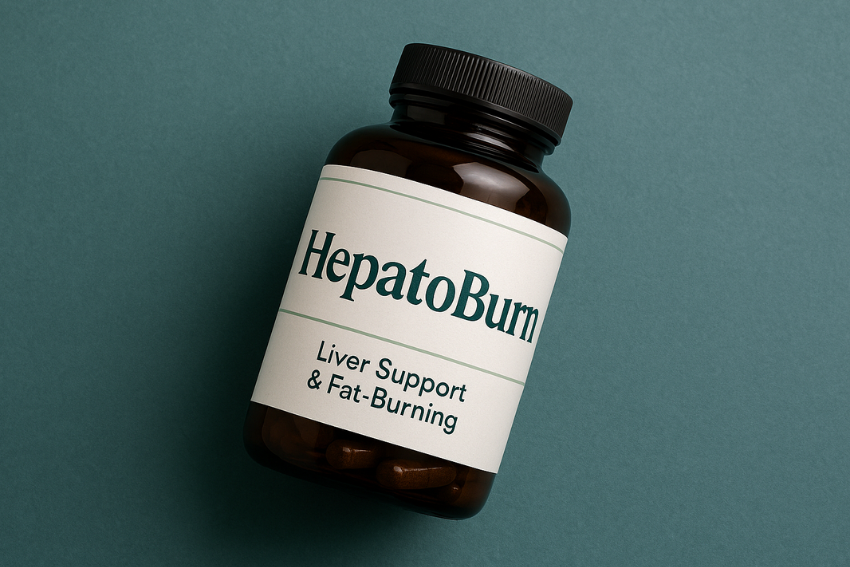
Quick note on buying: multiple “official” HepatoBurn sites exist, each repeating the same claims about liver detox, fat burning, and a 60‑day guarantee. This fragmented footprint is a common red flag with supplement sales pages, so proceed carefully and verify the seller before purchasing.
What HepatoBurn claims to do
Most HepatoBurn pages say the product targets stubborn fat by supporting the liver with two proprietary blends often labeled Liver Purification Complex and Liver Fat‑Burning Complex. They highlight manufacturing in FDA‑registered, GMP‑certified facilities and position the formula as stimulant‑free, plant‑based support for metabolism, cravings, energy, and sleep.
You will also find glowing testimonials and high star ratings on these sales pages. Remember that on vendor‑controlled sites, reviews are marketing assets rather than independent evidence.
Some third‑party reviewers rate the product favorably and repeat the same branding lines. Others call out warning signs like copy‑paste claims, hard‑sell funnels, and shifting domains. That split opinion is typical in the weight‑loss supplement niche.
What is usually inside HepatoBurn
Because formulas and labels can vary by site, I looked across several HepatoBurn pages and roundups. Recurring ingredients include:
- Milk thistle extract standardized to silymarin
- Artichoke leaf extract
- Dandelion root or leaf
- Turmeric or curcumin
- Green tea extract
- Berberine or choline, sometimes L‑carnitine, resveratrol, chlorogenic acid, genistein, glutathione, or betaine in some “fat‑burning” or “purification” complexes.
If you decide to buy, check the Supplement Facts panel for exact standardizations and doses. Proprietary blends often hide individual amounts, which makes it hard to evaluate efficacy.
Does science match the claims?
Let’s keep this grounded. HepatoBurn is a combination supplement, so proof hinges on ingredient‑level evidence. Here is a quick, plain‑English scan of the best‑available research for the recurring components.
Milk thistle for liver markers
Evidence is mixed. A large, randomized trial in chronic hepatitis C found no advantage of high‑dose silymarin over placebo on key liver outcomes. Newer reviews note potential benefits on liver enzymes in some conditions, but clinical effects and ideal doses remain uncertain. Translation: milk thistle looks relatively safe, may help certain liver‑enzyme elevations, but is not a magic liver reset.
Artichoke extract for liver enzymes and weight
A meta‑analysis suggests artichoke supplementation can reduce AST and ALT, particularly in fatty liver cohorts. At the same time, mainstream guidance emphasizes that human evidence for weight loss or broad liver “detox” is still limited and mixed. Think of artichoke as possibly helpful for liver enzymes in specific contexts, not a guaranteed fat burner.
Dandelion as a diuretic and digestive bitter
Human evidence is sparse. A small, uncontrolled pilot hinted at a short‑term diuretic effect. Reviews repeatedly note the lack of robust clinical trials despite long traditional use. Any scale drop from diuresis reflects water changes rather than fat loss.
Berberine for metabolic support
Berberine has the most modern data among the lists. Systematic reviews and meta‑analyses show modest reductions in weight, BMI, and waist circumference, with stronger signals when taken at higher doses for at least eight weeks. A recent randomized trial in people with obesity and MASLD, however, found no significant effect on visceral fat or liver fat over six months, reminding us that results vary by population and outcome.
Green tea extract, turmeric, resveratrol, choline and friends
These have diverse mechanisms, from thermogenesis to antioxidant and bile‑flow support, but human weight‑loss effects are typically modest without lifestyle changes. GoodRx’s clinician review on “liver detox supplements” underscores that there is no such thing as a true detox in a bottle and that foundational habits dominate liver health.
Bottom line on efficacy: Parts of a HepatoBurn‑style stack are plausibly helpful for liver enzymes or metabolic markers but claims of dramatic fat loss from “rebooting” the liver is not supported by strong clinical trials on the full product. Expect small, incremental benefits at best, and only when paired with diet, movement, sleep, and alcohol moderation.
Benefits you might realistically notice
If you tolerate the formula and your doses are sensible, you could experience:
- Slight improvements in bloating and regularity from bitters and fiber‑adjacent compounds.
- Small reductions in appetite swings or post‑meal crashes if berberine or green tea extract suits you.
- Modest changes in waist or weight over 8 to 12 weeks, especially if you start with insulin resistance and a structured plan.
- Possible improvements in ALT/AST if you have mild elevations related to fatty liver and you are also improving diet and activity.
Risks, side effects, and quality red flags
- Gastrointestinal upsetting is the most common complaint with berberine and some bitters. Start low, take with food, and assess.
- Drug interactions are real. Berberine can interact with cyclosporine and may affect other medications via CYP and P‑gp pathways. Curcumin and green tea extracts can also interact with anticoagulants. Speak with your clinician if you take prescription medicine.
- Pregnancy, breastfeeding, infants: avoid berberine due to risks around bilirubin metabolism. Turmeric extracts can also be problematic at high doses.
- Label opacity: many HepatoBurn pages use proprietary blends and multiple “official site” domains. Reputation‑scoring sites have flagged at least one such domain with a low trust score. That does not prove the product is harmful, but it justifies caution.
How I would use a HepatoBurn‑style supplement in a smart plan
If your goal is fat loss with better liver markers, treat the supplement as a supporting actor, not the hero.
Week 0 to 2: Foundations first
- Prioritize 30 to 35 g protein per main meal, a fiber goal of 30 g per day, and a daily step target you can hit consistently.
- Limit added sugar and keep alcohol to a minimum. Your liver will thank you more than any capsule could.
Week 2 to 10: Consider a trial
- If you choose to test HepatoBurn, verify the full label and ensure milk thistle, artichoke, and berberine doses are within evidence‑based ranges.
- Take with food. Track waist, weight, energy, GI tolerance, and if relevant, liver enzymes with your clinician.
When to stop
- No noticeable benefit after 8 to 12 weeks plus solid habits.
- Any adverse effect or potential interaction.
Who might consider HepatoBurn
- Adults with mildly elevated liver enzymes linked to lifestyle factors who are already changing diet, moving more, and reducing alcohol.
- People with insulin resistance or prediabetes who cannot tolerate stimulants and want a small nudge while building habits.
- Anyone seeking a non‑caffeinated adjunct to a structured, food‑first weight plan.
Who should skip or speak to a clinician first
- If you are pregnant, breastfeeding, or shopping for an infant.
- If you take cyclosporine or other medications with narrow therapeutic windows.
- If you have active liver disease or unexplained jaundice.
- If you rely on anticoagulants or have gallbladder issues.
My honest verdict
I like the idea of supporting the liver while working on fat loss, but I do not buy the dramatic marketing. The most defensible component here is berberine, which shows modest benefits in reviews and meta‑analyses, although a recent randomized trial in obesity with MASLD dampens expectations for visceral and liver fat changes. Milk thistle and artichoke may help liver enzymes in specific groups, yet they are not a shortcut for fat loss. If you decide to try HepatoBurn, do it for incremental support and only alongside lifestyle changes. Keep your expectations realistic, watch for interactions, and evaluate results after two to three months.
Practical checklist before you buy
- Check the Supplement Facts for transparent doses rather than hidden proprietary totals.
- Confirm the seller’s domain history and company details. Be wary of copycat “official” pages and heavy upsells.
- If possible, choose a product batch with third‑party testing and keep a screenshot of the label for your records.
- Loop in your healthcare provider if you have conditions or take medication.
Final take
Use HepatoBurn as an adjunct, not a crutch. Combine it with a realistic plan, track measurable outcomes, and be skeptical of splashy promises. Your liver and your long‑term results will benefit more from what you do daily than from any single capsule.
If you want, I can draft a label‑reading cheat sheet for HepatoBurn, plus a two‑week food and habit plan that pairs well with liver‑first goals.
FAQs
Does HepatoBurn really detox the liver?
Your liver already detoxifies continuously. No supplement “flushes toxins” in the literal sense. Certain ingredients may support healthier enzyme profiles or bile flow, but the biggest wins still come from nutrition, movement, sleep, and limiting alcohol.
Can HepatoBurn make me lose weight without diet changes?
Unlikely. Meta‑analyses on components like berberine show modest effects. Real, durable fat loss requires a calorie deficit and consistent habits, with supplements playing a supporting role at best.
Is there any risk with long‑term use?
Most ingredients are well tolerated in studied doses, but long‑term combination use is less researched. Monitor GI tolerance and labs with your clinician, especially if you take other meds.