Knowing how to monitor side effects of Auvelity is essential for anyone starting this fast-acting antidepressant. Auvelity combines two well-known medications, dextromethorphan and bupropion, into a single pill to treat Major Depressive Disorder (MDD). While its unique mechanism of action offers relief much quicker than traditional SSRIs, the combination also introduces a specific profile of physical and mental shifts that patients must track closely.
Effective monitoring ensures that you stay safe while your body adjusts to the chemicals. By staying vigilant, you can distinguish between temporary adjustment symptoms and serious adverse reactions that require medical intervention.
Understanding the Components of Auvelity
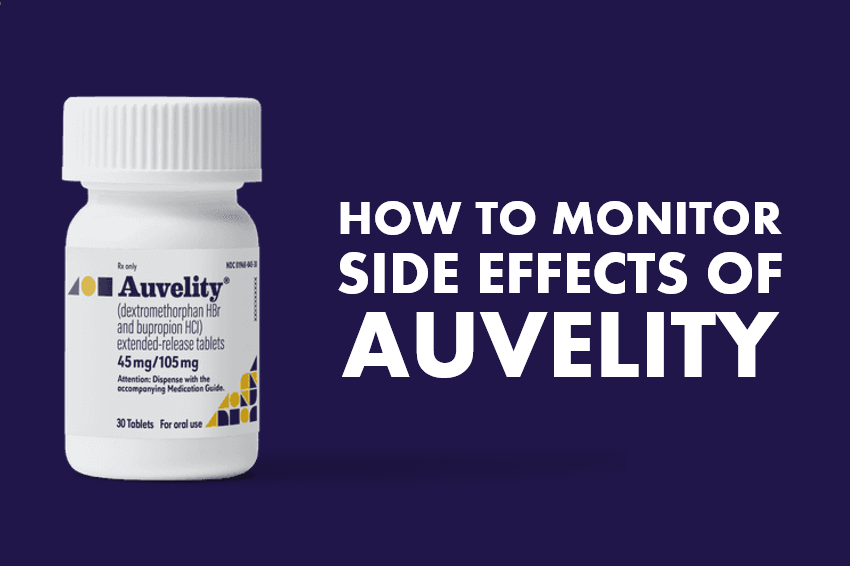
To monitor side effects effectively, you first need to understand what is inside the pill. Each component contributes to the potential side effects you might experience.
- Dextromethorphan (45 mg): Traditionally used as a cough suppressant, this ingredient acts on NMDA receptors in the brain to regulate mood. It can cause feelings of dissociation, dizziness, or sleepiness.
- Bupropion (105 mg): This acts as an aminoketone antidepressant. In Auvelity, its primary job is to slow down the metabolism of dextromethorphan, keeping it in your system longer. However, bupropion is also linked to increased heart rate, insomnia, and, in rare cases, seizures.
Because these two drugs work together, the side effects can sometimes overlap or intensify.
The Importance of a Side Effect Log
The most effective way to monitor your progress is to keep a daily log. Memory is often unreliable when you are dealing with depression or brain fog. A written or digital record provides your doctor with objective data to adjust your dosage or treatment plan.
What to Record in Your Log
- Time of Dose: Note exactly when you take your medication.
- Symptom Onset: Record how soon after the dose you feel a side effect.
- Severity: Use a scale of 1 to 10 to rate the intensity.
- Duration: Note how long the symptom lasts.
- External Factors: Mention if you took the pill on an empty stomach or if you consumed caffeine.
Common Side Effects to Watch For
Most people experience mild to moderate side effects during the first two weeks of treatment. These usually subside as the brain reaches a “steady state.”
Dizziness and Vertigo
Dizziness is the most frequently reported side effect of Auvelity. It often occurs within the first hour of ingestion. To monitor this, avoid driving or operating heavy machinery until you know how the drug affects your balance.
Nausea and Digestive Issues
Nausea, constipation, and dry mouth are common. Monitor your hydration levels and note if taking the medication with a small snack reduces stomach upset.
Headache
While headaches often fade after the first week, you should track their frequency. If a headache becomes “thunderclap” in nature or is accompanied by vision changes, seek immediate help.
Sleep Disturbances
Bupropion is stimulating. If you take your second dose too late in the afternoon, you might experience insomnia. Monitor your sleep patterns to determine the best timing for your evening dose.
Monitoring Serious and Rare Side Effects
While common side effects are manageable, some reactions require immediate communication with a healthcare provider.
Seizure Risk
The bupropion component in Auvelity carries a risk of seizures. This risk increases with higher doses or if you have a history of eating disorders or alcohol withdrawal. Monitor for any muscle twitching, “auras,” or sudden loss of consciousness.
Blood Pressure Changes
Auvelity can elevate your blood pressure. If you have a history of hypertension, you should monitor your blood pressure at home using a digital cuff.
- Daily Check: Take your reading at the same time every morning.
- Threshold: If your systolic pressure rises significantly above your baseline, contact your cardiologist or GP.
Serotonin Syndrome
Since dextromethorphan affects serotonin levels, there is a small risk of serotonin syndrome, especially if you take other serotonergic drugs. Monitor for:
- Extreme agitation or restlessness.
- Rapid heart rate and high blood pressure.
- Muscle rigidity or loss of coordination.
- Heavy sweating and shivering.
Angle-Closure Glaucoma
Auvelity can cause pupillary dilation, which may lead to an episode of angle-closure glaucoma in people with narrow eye angles. Monitor for eye pain, changes in vision, or swelling/redness in or around the eye.
Mental Health and Behavioral Monitoring
Since you are taking Auvelity for depression, it is vital to monitor your mental state just as closely as your physical symptoms.
The “Black Box” Warning
Like all antidepressants, Auvelity carries a warning regarding suicidal thoughts and behaviors, particularly in young adults under age 25.
- Mood Swings: Watch for sudden bursts of anger or irritability.
- Ideation: If you find yourself thinking about self-harm more frequently than before you started the med, this is a critical side effect.
- Activation: Some patients experience “hypomania,” characterized by racing thoughts, decreased need for sleep, and impulsive behavior.
How to Manage Side Effects at Home
While monitoring is the priority, certain lifestyle adjustments can help mitigate the discomfort of common side effects.
- Hydration: Drink plenty of water to combat dry mouth and constipation.
- Dosing Schedule: Ensure there is at least an 8 hour gap between your morning and afternoon doses.
- Dietary Choices: Avoid excessive caffeine, as the bupropion in Auvelity can make you feel jittery.
- Slow Movements: If you experience dizziness, stand up slowly from a sitting or lying position to prevent “head rushes.”
When to Call Your Doctor
You do not need to wait for a scheduled appointment if you notice certain “red flag” symptoms. Contact your healthcare provider immediately if you experience:
- A seizure or a feeling like you might pass out.
- Hallucinations or severe confusion.
- Chest pain or a pounding heartbeat that does not stop.
- Signs of an allergic reaction like hives, swelling of the face, or difficulty breathing.
- A sudden, severe worsening of your depression.
Final Thoughts on Monitoring
Monitoring the side effects of Auvelity is a collaborative process between you and your medical team. By keeping a detailed log and staying aware of your body’s signals, you ensure that your journey toward mental wellness is as safe as possible. Never stop taking the medication abruptly, as this can lead to withdrawal symptoms or a relapse of depression.
Frequently Asked Questions
Does Auvelity cause weight gain?
Unlike many older antidepressants, Auvelity is generally weight-neutral. Bupropion is often associated with weight loss or lack of appetite, though dextromethorphan does not typically impact weight. Monitor your appetite changes in your log.
Can I drink alcohol while taking Auvelity?
You should minimize or avoid alcohol. Alcohol can increase the risk of seizures when combined with bupropion and can worsen the dizziness caused by dextromethorphan.
How long do the side effects last?
For most patients, the “adjustment period” lasts between 7 and 14 days. If side effects persist beyond three weeks without improvement, consult your doctor about a potential dose adjustment.
Should I take Auvelity with food?
You can take Auvelity with or without food. However, if you experience nausea, taking it with a meal often helps settle the stomach.