Modern home care is evolving rapidly, powered by innovative strategies and technology-driven solutions. As more families turn to in-home care for their loved ones, the need to implement smart, effective approaches are greater than ever. Care providers and families alike are seeking methods that ensure safety, dignity, and personalized attention. With services like those offered by 1stmeridiancareservices.com, home care can be both compassionate and innovative, meeting the changing needs of today’s clients.
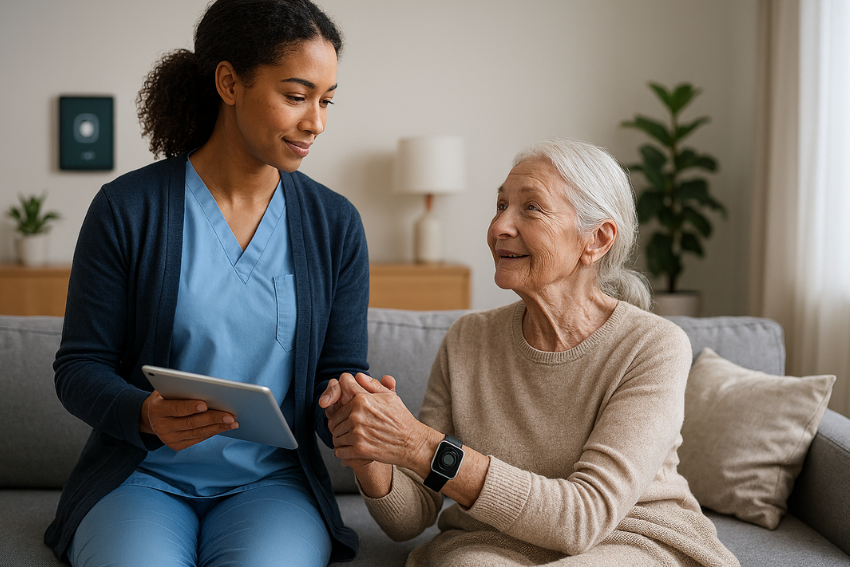
The integration of modern tools and tailored care models has transformed the industry, enabling individuals to enjoy greater independence while receiving the support they need. This shift also brings families more peace of mind as they track their loved ones’ well-being with real-time updates. Whether you are a caregiver, a family member, or a health professional, adopting these advanced strategies will help optimize care outcomes and streamline daily routines.
Below, we outline key strategies underpinning the modern approach to home care and how these advances are reshaping the landscape for the better.
Embracing Technology in Home Care
The use of technology in home care has revolutionized the way caregivers support individuals in need. From remote sensors to automated medication reminders and virtual assistants, digital advancements have optimized efficiency and safety. Real-time monitoring enables caregivers and loved ones to respond promptly to emergencies and health changes, supporting independent living.
Adopting these technologies can lower the risk of hospital readmissions and reduce costs, without sacrificing quality. Digital platforms for scheduling, health tracking, and task management also help streamline workflows and eliminate common administrative hurdles. According to Forbes, the accelerated adoption of smart tech in private settings provides unprecedented comfort and support for aging populations.
Personalized Care Plans
No two individuals have the same needs. Personalized care plans put the client at the center, taking into account their unique preferences, medical history, cultural background, and daily routines. This tailored approach results in more effective care, improved satisfaction, and more meaningful relationships between caregivers and clients. As care models shift to a more person-centered focus, technology also supports assessment and fine-tuning of these plans, ensuring they remain current and responsive.
Integrating Telehealth Services
Telehealth has become a cornerstone of modern home care, offering virtual consultations, remote health monitoring, and daily check-ins. These services allow care recipients to connect with physicians and specialists promptly, regardless of their physical location. For those with chronic illnesses or limited mobility, telehealth drastically improves access to health care, reduces unnecessary travel, and can simplify the ongoing management of conditions. The importance of telehealth is recognized by major health authorities, which continue to expand virtual care support for in-home settings.
Leveraging Wearable Health Devices
Wearable devices are increasingly used to monitor patients’ vital signs and patterns, providing a non-invasive means of real-time data collection. With constant monitoring, early detection of potential health problems is possible, paving the way for proactive intervention. Devices like smartwatches and fitness trackers can measure heart rate, sleep patterns, mobility, and more. They empower both clients and caregivers to detect subtle health trends before they escalate, reducing hospital admissions and promoting wellness.
Enhancing Family Communication
Transparent and timely communication is crucial in-home care. Secure online portals and mobile apps now make it easier for families to receive health updates, schedule visits, and communicate directly with care teams. These systems ensure families remain involved and informed, reducing anxiety and building trust. Enhanced transparency also motivates accountability for everyone involved in the care process.
Prioritizing Caregiver Training and Support
Quality care depends on the expertise and well-being of caregivers. Investing in comprehensive training programs, mentorship, and wellness support equips caregivers to handle complex health needs and emotional challenges. Ongoing education encourages skill development and adaptation to new technologies and procedures. When caregivers are supported and engaged, job satisfaction increases, and turnover rates decrease, resulting in better outcomes for clients and organizations alike.
Fostering Community Partnerships
Working with local organizations and healthcare providers enriches the spectrum of services available to clients. Community-based partnerships can include everything from meal delivery to transportation and social engagement programs. This holistic approach not only enhances quality of life but also ensures individuals remain connected and supported in every aspect. By nurturing these partnerships, home care providers build bridges to valuable resources that benefit both clients and their wider support networks.
Final Thoughts
Modern home care thrives on integrating new technology, personalized services, and collaborative support networks. By following smart strategies, embracing telehealth, fostering family communication, and prioritizing caregiver training, providers can deliver care that is efficient, safe, and meaningful. As home care continues to evolve, the combination of compassion and innovation ensures clients receive the highest standard of support within the comfort and dignity of their own homes.