Electric Boat Motors now sit at the center of a major shift on the water. Boaters want cleaner propulsion, quieter rides, and lower upkeep. Electric delivers all three when matched to the right hull, route, and budget. Yet the best decisions come from clear-eyed planning.
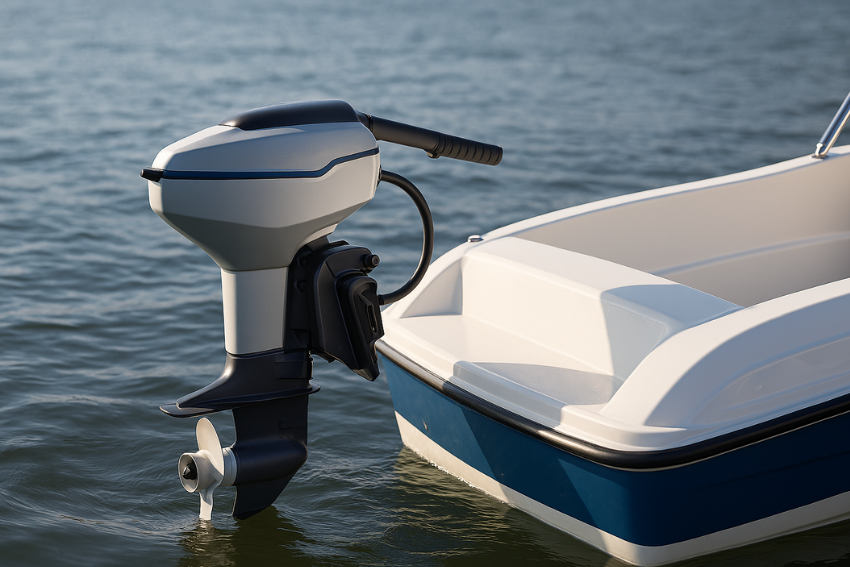
However, deciding to switch to electric boat motors requires you to understand how this transition will affect your time on the water. Before replacing gas power with electric systems, it is essential to consider a few crucial factors.
This guide walks you through every key factor, from power calculations and battery chemistry to charging, safety, and resale. You will leave with a practical checklist and a confident plan.
Define How You Actually Use Your Electric Boat Motors
Before you compare brands or torque curves, map your normal days on the water. Electric shines when your use case aligns with its strengths.
Ask yourself:
- How many hours do I run the boat per outing, and at what speeds?
- What distance do I cover between docks or marinas?
- What is the typical sea state or river current?
- How often do I need high throttle for sprints or towing?
- Where can I plug in, and for how long between trips?
These answers anchor every decision that follows. You will estimate energy needs with real numbers instead of hopes.
Power, Thrust, and Hull Pairing
Electric motors deliver peak torque from zero rpm. That punch helps with docking and hole shot on light boats. But continuous power is what sustains cruise. Match the motor to your hull type and displacement.
- Displacement and semi-displacement hulls. Electric is a natural fit for sailboats, pontoon boats, canal cruisers, and trawlers that run at modest speeds. They need steady thrust, not blistering top end.
- Planning hulls. Electric can work for short hops or hybrid setups. Energy consumption climbs sharply once you push a planning hull fast. Be realistic about range at speed.
- Tenders and workboats. Short, frequent runs with easy access to charging make these excellent candidates.
A good rule of thumb is to consider the shaft power you use most often, not the maximum you dream of. If you cruise at 60 percent throttle with your current outboard, size the electric to deliver that continuous output while keeping a margin for wind, current, and passengers.
Range, Speed, and the Reality of Energy Budgets
Range is the headline question. It depends on three variables that multiply together.
- Boat efficiency. Hull shape, weight, and drag determine how many kilowatts you need at a given speed.
- Battery capacity. More kilowatt-hours mean more range, but also more weight and cost.
- Driving style and conditions. Speed, wind, currents, and waves can swing consumption by large percentages.
Think of energy per nautical mile rather than only at top speed. A simple planning model looks like this:
- Measure or estimate power draw at several speeds.
- Multiply power by hours to get required kilowatt-hours.
- Add a reserve. Many skippers use 20 to 30 percent as a comfort buffer.
You can also plan trips with two speed profiles. Cruise slowly to build range. Use short bursts for maneuvers and fun without crushing the battery.
Battery Chemistry and What It Means Onboard
You will choose between battery chemistries that trade energy density, cost, and safety profile.
- Lithium iron phosphate (LFP or LiFePO4). Stable, long cycle life, and forgiving thermal behavior. Slightly heavier per kilowatt-hour than other lithium chemistries. A strong choice for most cruisers.
- Lithium nickel manganese cobalt (NMC). Higher energy density for the same weight. Useful where weight and space are tight. Needs careful battery management and robust thermal design.
- Lead-acid (AGM or gel). Low upfront cost, but heavy and lower usable capacity. Works for small trolling motors or occasional use, yet falls short for serious cruising range.
Whatever you pick, insist on a marine-grade battery management system. The BMS prevents overcharge, deep discharge, and thermal runaway. It also helps balance cells for long life.
Battery Sizing Strategy
Start with your calculated daily energy need. Then think about growth. Many owners add electronics or extend trips after they fall in love with quiet cruising. If the budget allows, size the bank so normal use keeps depth of discharge around 60 to 70 percent. That sweet spot supports long cycle life.
Charging Options and Real Turnaround Times
Dockside charging shapes how you boat. You can think of it in three tiers.
- Shore power Level 1. Standard household style outlets. Slow but accessible. Works overnight.
- Shore power Level 2. Higher amperage marine pedestals. A common solution at marinas. Turns boats around in a few hours depending on battery size.
- DC fast charging. Growing in some regions for commercial fleets and high-use marinas. Allow big battery packs to refill quickly. Infrastructure varies widely, so verify availability on your route.
Add a charger that speaks the same language as your battery. Many systems use integrated chargers with smart profiles. A shore power isolation transformer or galvanic isolator adds a layer of safety and protects underwater metals.
If you moor on a private dock, consider a dedicated circuit with appropriate breaker protection and weatherproof hardware. Keep cables tidy. Avoid long extension cords that drop voltage and create heat.
Weight, Balance, and Installation
Electric conversions can change the center of gravity, especially if you replace an internal combustion engine with a motor and a large battery bank.
- Place batteries low and central for stability.
- Use robust mounts and containment for sea states and knockdowns.
- Route cabling to minimize voltage drop and avoid heat sources.
- Keep service access clear. Your future self will thank you during maintenance.
For outboards, swapping is often straightforward. Inboards or pod drives may require custom mounts. Work with an installer who understands both marine rules and high-voltage systems.
Maintenance and Reliability
Electric motors reduce routine maintenance. There are no oil changes, fuel filters, or seasonal carburetor issues. Still, electric propulsion is not maintenance-free.
- Inspect battery connections and torque values at set intervals.
- Keep terminals clean and protected from corrosion.
- Monitor firmware updates for motor controllers and BMS.
- Check cooling systems, whether air or liquid. Clean strainers and verify pump operation.
Reliability improves when you keep the system simple. Fewer adapters, well crimped lugs, and proper strain reliefs pay off in real-world durability.
Total Cost of Ownership
Upfront prices can be higher than gas engines, especially once you include batteries. The payoff arrives over time through lower energy cost per mile and less maintenance.
Think across the full lifecycle:
- Purchase price of motor, batteries, charger, mounts, and wiring
- Installation labor and any structural modifications
- Shore power hardware and marina fees
- Electricity vs fuel costs over expected hours
- Battery replacement timing and residual value
- Potential incentives, tax credits, or rebates in your region
For commercial operators, duty cycles and idle time often favor electric. For recreational users, savings depend on how much you run and how easily you can charge.
Noise, Comfort, and the Onboard Experience
Silence is more than a luxury. It changes how you use the boat. Conversation becomes easy. Wildlife sightings increase. Vibration drops, which reduces fatigue on longer days. You also cut exhaust smell and soot on deck. Many boaters report their cruise more often because the experience feels calmer.
Safety You Should Never Skip
Electric boat motors are safe when built and operated with care. Address these items during design and routine use.
- Overcurrent protection. Use marine-rate breakers and fuses sized to cable and load.
- Proper cable gauge. High current at low voltage demands thick conductors to avoid heat and loss.
- Ventilation. Batteries and chargers need airflow. Keep spaces clear.
- Thermal management. Verify coolant loops or heat sinks operate correctly.
- Isolation and bonding. Reduce stray current corrosion. Protect people and hardware.
- Emergency disconnects. Locate main battery switches where crew can reach them fast.
- Fire preparedness. Carry the right extinguishers and train your crew on procedures.
- Water ingress planning. Elevate critical components and route drip loops thoughtfully.
Post-installation, label everything. Make a simple laminated diagram and keep it near the helm.
Environmental and Regulatory Considerations
One big reason people switch is the cleaner footprint. You cut local emissions on the water and reduce the risk of fuel spills at docks. Some waterways already reward low-emission craft with access advantages or lower fees. Quiet zones and wildlife areas often welcome electric propulsion. Check local rules for motor restrictions, charging codes, and electrical inspections. If you charter or carry passengers, confirm compliance with your country’s marine authority and insurance carrier.
Insurance and Resale Value
Insurers look for professional installation, certified components, and clear documentation. If you keep receipts and wiring diagrams, underwriting gets easier and premiums stay reasonable. The resale market for electric boat motors is young but growing. Buyers value modern battery packs with known cycle history and a clean maintenance record. A tidy, labeled engine room lifts confidence and price.
Data, Displays, and Smart Energy Use
Good data keeps you afloat. Choose a display or app that shows:
- State of charge and estimated range
- Real-time power draw and regeneration if applicable
- Battery temperature and health indicators
- Alerts for voltage, current, and thermal thresholds
Use trip history to refine your routing and speed. The most content owners learn their boat’s energy curve in the first few weeks. They soon cruise within a comfort envelope that balances speed and range.
Hybrid Paths and Redundancy
Full electric is not the only option. Some skippers blend propulsion sources.
- Parallel hybrid. Electric for low-speed maneuvering and short trips. Combustion for longer runs.
- Serial hybrid. A generator feeds the battery and motor. The engine does not directly turn the prop.
- Kicker electric with a main outboard. A small electric outboard handles trolling and harbor moves. The main gas motor covers distance.
These paths bring complexity but extend capability. They can also serve as a transition while charging networks expand.
Dock Etiquette and Community Impacts
Electric boating brings new habits. Share pedestals courteously. Do not block high-amperage outlets with trickle charging if others need a quick top-up. Coil cables neatly. Report damaged sockets to marina staff. Friendly behavior builds support for more chargers and better infrastructure.
Common Pitfalls to Avoid
Learn from what trips up first-time converters.
- Choosing top speed over practical range
- Underestimating cable sizing for high current runs
- Skipping professional verification of the installation
- Forgetting weight and trim changes from battery placement
- Ignoring ventilation and service access
- Relying on best-case consumption numbers
- Leaving no budget for future battery replacement
A preflight mindset helps. Review critical checks before each departure, especially after upgrades.
Step-By-Step Plan to Switch Electric Boat Motors
Follow this sequence to stay organized and avoid rework.
- Document your routes. Log speeds, hours, and conditions for a few outings.
- Estimate energy. Convert your real use into kilowatt hours with a reserve.
- Select the motor. Size for continuous power at your typical cruise.
- Choose the battery chemistry and capacity. Balance weight, cost, and cycle life.
- Map the installation. Decide battery placement, cable paths, cooling, and service access.
- Plan charging. Confirm shore power availability and charger compatibility.
- Confirm safety gear and protection. Breakers, fuses, isolation, and emergency shutoffs.
- Get quotes. Compare total system packages from experienced marine installers.
- Sea trial and tune. Validate real consumption, adjust prop, and refine settings.
- Train the crew. Share operating limits, charging routines, and emergency procedures.
Fresh Insights from the Dock
Talk to owners who already made the jump. Many highlight the same milestones.
- The first silent departure at dawn feels magical.
- They learn a new patience with speed. Slower cruising recovers huge range.
- Smart routing becomes a fun part of the hobby. They plan scenic stops where they can top up.
- After the first season, maintenance feels almost boring in the best possible way.
- Visitors assume the boat is off because they cannot hear it. Those quiet changes everything.
Will Electric Boat Motors Fit Your Boating Life?
If you spend most days within a well-known radius, if you can charge where you dock, and if you value quiet time on the water, electric is likely a strong fit. If you run long open-water routes at high speed with few charging options, consider hybrid or a staged approach. Either way, the prep work in this guide pays off.
Final Checklist Before You Commit
- Clear picture of routes, speeds, and hours
- Realistic range and reserve targets
- Motor sized for continuous cruise power
- Battery chemistry and capacity that match your goals
- Charging plan with known shore power access
- Installation layout that protects weight balance and service access
- Safety hardware selected and labeled
- Budget that covers purchase, installation, and future battery replacement
- Installer references and sea trial plan
Switching to electric boat motors is more than a hardware swap. It is a new rhythm on the water. When you size the system to your life, you get silent mornings, simple upkeep, and predictable costs. The result is a boat that feels modern and effortless, built around how you already love to cruise.
Frequently Asked Questions
How do I estimate the right battery size for my boat?
Start with your typical cruise power in kilowatts. Multiply by hours you plan to run between charges. Add 20 to 30 percent reserve. If your cruise draw is 8 kW and you run for 3 hours, that is 24 kWh. A 30 percent reserve lifts it to about 31 kWh. Round up if you expect wind, current, or extra guests.
Will I lose top speed with an electric setup?
You might, especially on planning hulls. Electric can match or beat acceleration thanks to instant torque. But sustaining high speed drains energy quickly. Many owners accept a slightly lower top speed in exchange for better range and quiet cruising.
How long do marine lithium batteries last?
Well managed lithium packs often deliver thousands of cycles. Real life varies with depth of discharge, temperature, and charge rates. Keep your average discharge moderate and store the boat with partial charge for the best life.
Can I charge from solar on the boat?
Yes, but set expectations. Even generous panel area supports hotel loads and slow topping. It rarely replaces shore power for large propulsion batteries. Solar shines for moored boats that sit for days between outings.
Is an all-electric system safe in saltwater?
Yes, provided you follow marine standards, protect against corrosion, and use correct isolation. Regular inspections and tidy wiring are your best tools. Professional installation reduces risk and simplifies insurance.