Foods for hormonal balance play a critical role in how your body produces, regulates, and clears hormones each day. Hormones influence everything from energy levels and mood to metabolism, digestion, sleep quality, and reproductive health. When hormones drift out of balance, the body often sends signals long before lab tests confirm it.
Instead of chasing supplements or quick fixes, the foundation of hormonal wellness starts on your plate. The right foods give your body the raw materials it needs to create hormones efficiently while also supporting detox pathways that prevent excess hormone buildup.
This guide offers a practical, science grounded, and refreshingly realistic look at the best foods for hormonal balance. It focuses on everyday ingredients you can actually find, cook, and enjoy without restrictive rules or extremes.
Understanding Hormonal Balance
Hormones act as chemical messengers. They travel through your bloodstream and tell organs and tissues what to do and when to do it. Insulin regulates blood sugar. Estrogen and progesterone influence reproductive health. Cortisol manages stress responses. Thyroid hormones control metabolism.
Hormonal balance does not mean having more or less of one hormone. It means having the right amount at the right time.
Your body constantly adjusts hormone levels, but modern lifestyles introduce challenges such as chronic stress, poor sleep, nutrient depleted diets, and constant blood sugar spikes. Food becomes either a stabilizing force or an ongoing disruption.
Signs Your Hormonal Health Needs Support
Many people live with hormone imbalances without realizing the cause. Common signals include:
- Constant fatigue even after sleep
- Unexplained weight gain or stubborn belly fat
- Mood swings, anxiety, or irritability
- Brain fog or poor concentration
- Digestive discomfort
- Irregular menstrual cycles
- Sugar cravings
- Low libido
- Sleep disruption
While these symptoms can have multiple causes, supporting your body with the best foods for hormonal balance often improves several issues at once.
How Foods for Hormonal Balance Work
Hormones come from nutrients. Cholesterol helps build sex hormones. Amino acids form peptide hormones. Vitamins and minerals activate hormone signaling.
Food also affects hormones indirectly by:
- Stabilizing blood sugar
- Reducing inflammation
- Feeding gut bacteria that communicates with hormones
- Supporting liver detox pathways
- Lowering chronic stress responses
Balanced nutrition gives your endocrine system the tools it needs to self regulate.
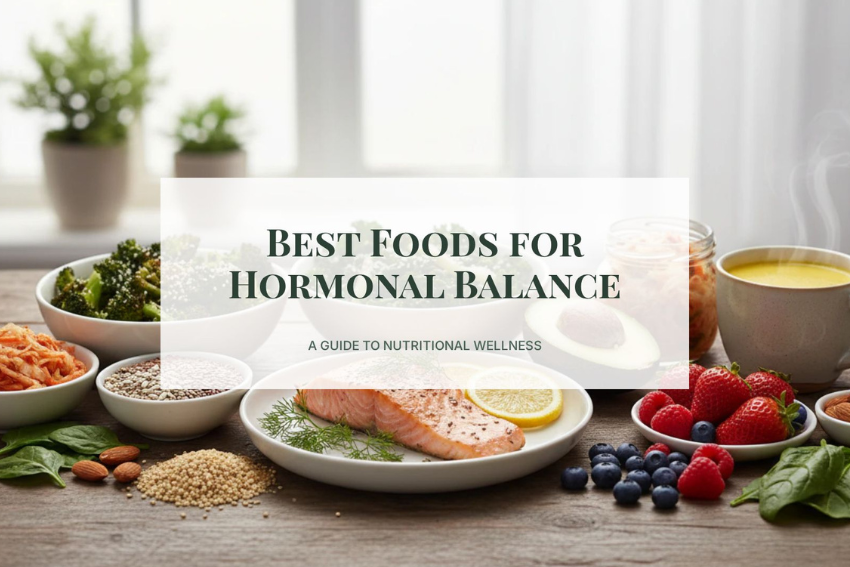
Best Foods for Hormonal Balance
Healthy Fats That Support Hormone Production
Hormones are built from fats. Restricting fats often disrupts hormone synthesis.
Best choices include:
- Avocados rich in monounsaturated fats
- Olive oil for anti-inflammatory support
- Coconut products that support metabolism
- Nuts and seeds such as walnuts, pumpkin seeds, and flaxseeds
- Fatty fishlike salmon and sardines for omega three fats
These fats support estrogen balance, progesterone production, and cortisol regulation.
Protein Rich Foods for Steady Hormones
Protein prevents blood sugar spikes that trigger excess insulin and cortisol.
Focus on:
- Eggs for amino acids and choline
- Grass fed meats for zinc and iron
- Poultry for lean protein
- Lentils and beans for plant-based proteins
- Tofu and tempeh for phytonutrients
Adequate protein improves satiety, stabilizes energy, and supports thyroid function.
Fiber Rich Foods for Hormone Detox
Fiber helps your body eliminate excess hormones through digestion.
Top fiber rich foods include:
- Leafy greens such as spinach and kale
- Cruciferous vegetables like broccoli and cauliflower
- Berries for antioxidants
- Apples and pears with skin
- Whole grains such as oats and quinoa
Fiber binds to estrogen in the gut and promotes healthy elimination.
Micronutrients That Regulate Hormones
Vitamins and minerals act as hormone regulators and enzyme activators.
Key nutrients and their food sources:
- Magnesium from leafy greens and seeds reduces stress hormones
- Zinc from pumpkin seeds and seafood supports reproductive hormones
- Selenium from Brazil nuts supports thyroid health
- B vitamins from whole grains aid energy and mood balance
- Vitamin D from fatty fish and sunlight supports immune and hormonal health
Nutrient dense foods prevent subtle deficiencies that disrupt balance.
Gut Friendly Foods That Influence Hormones
The gut and hormones communicate constantly. A healthy microbiome helps regulate estrogen and cortisol.
Add these foods regularly:
- Yogurt with live cultures
- Kefir
- Sauerkraut and kimchi
- Miso
- Prebiotic foods like garlic, onions, and bananas
A balanced gut improves hormone signaling and detox efficiency.
Best Foods for Women’s Hormonal Balance
Women experience fluctuating hormone levels across the menstrual cycle, pregnancy, postpartum, and menopause. Food choices can ease these transitions.
Helpful foods include:
- Flaxseeds for estrogen modulation
- Sweet potatoes for progesterone support
- Dark leafy greens for iron replenishment
- Berries for inflammation control
- Lentils for steady energy
Eating consistently and avoiding extreme calorie restriction protects reproductive hormones.
Best Foods for Men’s Hormonal Balance
Men benefit from foods that support testosterone production and metabolic health.
Top choices include:
- Eggs for cholesterol and protein
- Oysters and seafood for zinc
- Lean meat for muscle maintenance
- Cruciferous vegetables that regulate estrogen
- Healthy fats for hormone synthesis
Combining nutrition with strength training amplifies these benefits.
Foods That Disrupt Hormonal Balance
Certain foods create hormonal turbulence when consumed frequently.
Limit or avoid:
- Ultra processed foods
- Excess added sugars
- Artificial sweeteners
- Refined vegetable oils
- Excess alcohol
These foods promote inflammation, insulin resistance, and liver overload.
How to Build Hormone Balancing Meals
A hormone friendly plate does not require perfection.
Use this structure:
- Half the plate with colorful vegetables
- One quarter with quality protein
- One quarter with whole carbohydrates
- Add healthy fats
- Eat at regular intervals
Consistency matters more than food trends.
Lifestyle Habits That Enhance Hormonal Balance
Food works best when paired with supportive habits.
Key practices include:
- Prioritize sleep
- Manage chronic stress
- Stay hydrated
- Move your body regularly
- Avoid extreme dieting
Hormones respond to daily rhythms more than quick fixes.
Final Thoughts
Hormonal balance does not require complicated rules or deprivation. It begins with respecting your body’s needs and fueling it with real, nourishing foods. The best foods for hormonal balance support your metabolism, calm inflammation, stabilize mood, and help your body do what it already knows how to do.
When you eat in alignment with your hormones, everything feels easier. Energy improves. Cravings soften. Focus sharpens. Balance becomes a natural state rather than a goal you chase.
FAQs About Foods for Hormonal Balance
Can foods really balance hormones naturally?
Yes. Foods provide the building blocks and signals hormones rely on. While medical care matters when needed, nutrition often improves hormonal symptoms significantly.
How long does it take to notice results?
Many people feel improvements in energy and digestion within weeks. Hormonal shifts may take one to three months of consistent habits.
Are supplements necessary?
Not always. Whole foods often supply nutrients more effectively. Supplements may help in specific deficiencies under medical guidance.