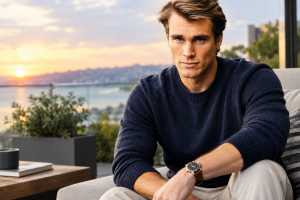
Customized portrait painting offers a unique way to transform a fleeting moment or a beloved person into a timeless piece of fine art. Unlike a standard photograph that captures a split second in time, a hand-painted portrait captures the essence, personality, and spirit of the subject through the careful application of color and texture. In an era dominated by digital screens, the tangible beauty of a custom painting stands out as a meaningful investment and a deeply personal gift.
The Evolution of Portraiture
For centuries, portraiture served as the primary method for recording the likenesses of royalty, nobility, and the wealthy. Artists like Rembrandt and Sargent mastered the ability to manipulate light and shadow to reveal the inner character of their sitters. Today, the world of customized portraiture has expanded significantly. Modern artists combine traditional mastery with contemporary aesthetics, allowing anyone to own a piece of art tailored specifically to their vision and home decor.
Popular Styles in Customized Portrait Painting
Choosing a style is the first and most critical step in commissioning a portrait. The style dictates the mood of the piece and how it will interact with the space where it hangs.
Classic Realism
Realism aims to depict the subject as accurately as possible. The artist pays meticulous attention to detail, ensuring that skin tones, hair textures, and facial expressions look lifelike.
- Best for: Memorials, formal family portraits, and corporate honors.
- Visual Impact: It creates a sense of presence, making it feel as though the subject is in the room with you.
Impressionism
Impressionist portraits focus on the play of light and the movement of the brush rather than fine details. These paintings often feature visible brushstrokes and a vibrant palette of colors that might not be found in nature.
- Best for: Landscapes with people, children at play, and outdoor settings.
- Visual Impact: It evokes a sense of nostalgia and emotion rather than a literal representation.
Pop Art
Inspired by the 1950s and 60s movement, Pop Art portraits use bold colors, thick outlines, and graphic patterns. Think of the iconic style of Andy Warhol.
- Best for: Modern homes, creative offices, and unique gifts for teenagers or young adults.
- Visual Impact: It turns a personal image into a high-energy, decorative statement piece.
Minimalist and Line Art
Sometimes less is more. Minimalist portraits use a limited color palette and simplified shapes to represent the subject. Line art focuses entirely on the contour and silhouette.
- Best for: Contemporary, Scandinavian, or minimalist interior designs.
- Visual Impact: It provides a sophisticated and subtle nod to the subject without overwhelming a room.
Essential Techniques Used by Portrait Artists
The technique an artist chooses often depends on the medium they use. Each medium offers a different “soul” to the painting.
Oil Painting: The Gold Standard
Oil paint remains the most popular choice for high-end customized portraits. Artists layer thin glazes of pigment mixed with oil to create depth and luminosity.
- Technique: Artists often use the “alla prima” (wet-on-wet) technique for a spontaneous look or a “layered” approach for realistic detail.
- Durability: Oil paintings last for centuries if properly cared for, making them perfect family heirlooms.
Watercolor: Fluid and Ethereal
Watercolor relies on the transparency of the paint and the white of the paper. It requires immense skill because once the paint hits the paper, it is difficult to change.
- Technique: Artists use “washes” for soft backgrounds and “dry brush” techniques for specific features like the eyes or mouth.
- Appeal: These portraits feel light, airy, and intimate.
Acrylics: Versatile and Bold
Acrylic paint dries much faster than oil, allowing the artist to work quickly and build up heavy textures (impasto).
- Technique: Artists can dilute acrylics to look like watercolors or use them thickly to mimic oil paints.
- Advantage: They are resistant to light damage and do not yellow over time.
Charcoal and Graphite: The Power of Monochrome
A black and white portrait can often feel more dramatic and emotional than a color one.
- Technique: Artists use blending stumps and various pencil grades to create a full range of values from deep blacks to bright highlights.
- Effect: This style emphasizes the structure of the face and the intensity of the subject’s gaze.
The Process of Commissioning a Portrait
Commissioning a piece of art is a collaborative journey between the client and the artist. Understanding the steps can help you achieve the best possible result.
- Selecting the Reference Photo: The quality of your portrait depends heavily on the reference photo. A good photo should have clear lighting, preferably from one side to create natural shadows. Avoid using blurry or low-resolution images.
- Consulting with the Artist: During the initial consultation, you discuss the size, medium, and style. You should also mention any specific requests, such as changing the background, removing an object, or combining multiple photos into one composition.
- The Sketch Phase: Many artists provide a preliminary sketch or a digital mockup. This stage allows you to confirm the composition and proportions before the artist applies permanent color.
- The Painting Phase: The artist spends anywhere from a few days to several months working on the piece. High-quality oil portraits require significant drying time between layers.
- Final Approval and Varnishing: Once the painting is complete, the artist shares a final image for approval. After the paint dries completely, the artist applies a protective varnish to shield the work from dust and UV rays.
Why Choose Customized Portrait Painting Over Photography?
While photography is convenient, customized portrait painting offers several advantages that a camera simply cannot replicate.
- Creative Control: An artist can remove a cluttered background or change the color of a shirt to match your living room decor.
- Textural Beauty: The physical texture of paint on canvas adds to a three-dimensional quality that prints lack.
- Emotional Depth: An artist interprets the subject. They can emphasize a specific sparkle in the eye or a characteristic smile that a quick snapshot might miss.
- Investment Value: Original art typically appreciates value over time, whereas digital files or printed photos may degrade or become obsolete.
Tips for Caring for Your Custom Portrait
Once you receive your masterpiece, proper care ensures it remains beautiful for generations.
- Avoid Direct Sunlight: Constant UV exposure can fade pigments over time.
- Maintain Humidity: Extreme changes in humidity can cause wooden frames or canvases to warp.
- Dust Gently: Use a soft, dry microfiber cloth or a natural hairbrush to remove dust. Never use water or cleaning chemicals on an original painting.
- Professional Framing: A high-quality frame does more than look good; it provides structural support and keeps the canvas taut.
Conclusion
Customized portrait painting remains one of the most heartfelt ways to celebrate life’s milestones. Whether you want to honor a pet, celebrate a wedding, or remember a lost loved one, a hand-painted portrait transforms your memories into a legacy. By choosing the right style and medium, you create more than just a decoration; you create a conversation piece that will hang proudly on your wall for years to come.
Frequently Asked Questions
How long does a customized portrait painting take?
The timeline varies by medium. A charcoal sketch might take one week, while a large-scale oil portrait can take three to six months due to the drying process.
Can an artist combine two separate photos into one portrait?
Yes. This is one of the most common requests. Artists can take subjects from different photos and place them in a single, cohesive composition with consistent lighting.
What is the most popular size for a portrait?
For a single subject (head and shoulders), $11 \times 14$ inches or $16 \times 20$ inches are standard choices. For full-body or family groups, $24 \times 36$ inches or larger provides a better sense of scale.
Do I need to pose in person for the artist?
While traditional sittings are still an option, most modern artists work from high-quality photographs. This makes the process much easier for busy clients or for surprise gifts.
Is it expensive to commission a portrait?
Prices vary based on the artist’s experience, the size of the canvas, and the complexity of the detail. There are options available for every budget, from affordable watercolor sketches to premium oil masterpieces.