First-time cryptocurrency buyers face a maze of exchanges, payment methods, and security requirements that didn’t exist just five years ago. Millions of first-time investors are now researching how to buy their first cryptocurrency as institutional adoption accelerates and regulatory clarity improves. This newcomer surge reflects a broader shift—digital assets are becoming part of traditional investment portfolios.
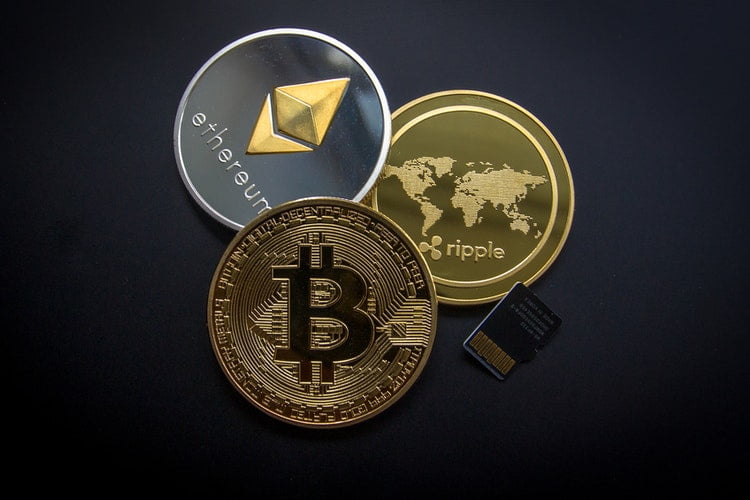
Crypto Market Momentum Draws Record Numbers of First-Time Buyers
The current market cycle has created an inflection point for crypto adoption. Exchange registration data shows significant spikes in new user signups from groups that traditionally avoided cryptocurrency exposure entirely.
While market momentum can provide favorable entry conditions, newcomers must navigate an increasingly complex landscape of trading platforms, payment methods, and security considerations.
Essential Preparation: What You Need Before Your First Crypto Purchase
Several foundational elements require attention before you execute your first cryptocurrency purchase.
Account Security and Authentication Setup
Two-factor authentication (2FA) represents the minimum security standard for any cryptocurrency platform. Authenticator apps provide stronger protection than SMS against account compromises.
Payment Method Preparation
Modern cryptocurrency exchanges support diverse fiat gateway options. Credit and debit cards offer the fastest processing times but typically carry higher fees—expect 3-5% for card purchases versus 0.1-0.5% for bank transfers. Bank transfers take 1-3 business days but support larger amounts with lower fees.
Demo Account Benefits
Practice trading with virtual funds eliminates the emotional pressure of real money while you’re learning platform navigation.
How to Buy First Cryptocurrency: Complete Step-by-Step Process
Account Setup and Security Configuration
The registration process varies dramatically across platforms. Some require extensive KYC documentation upfront, while others enable immediate trading with just email verification. This difference affects how quickly you can execute your first purchase.
Select a platform that aligns with your urgency and privacy preferences. Create your account using a secure email address dedicated to financial services. Enable two-factor authentication immediately and store backup codes in a secure location separate from your primary device.
Selecting Your Payment Method
With over 100 fiat currencies supported by major exchanges, payment flexibility has become a key differentiator. Mobile payment integration has simplified the purchase process considerably—Apple Pay and Google Pay work seamlessly on most platforms. During testing, completing a card-linked purchase took under three minutes from login to confirmation.
Choosing Your First Cryptocurrency
Bitcoin remains the most common first cryptocurrency purchases due to its established market position and widespread acceptance. Ethereum offers exposure to the broader decentralized finance ecosystem.
For absolute beginners, starting with these established assets provides stability and liquidity advantages. Some investors use dollar-cost averaging for initial purchases rather than investing a lump sum, which research suggests may help reduce timing risk.
Executing Your First Purchase
Navigate to the buy section and select your chosen cryptocurrency. Enter your desired purchase amount in fiat currency, the platform automatically calculates the corresponding crypto amount at current market rates.
Review the transaction details carefully, as fees can add up quickly. Confirm the purchase and monitor your account balance. Your cryptocurrency should appear in your wallet within minutes for card purchases or several hours for bank transfers.
Understanding Your Options: Multiple Purchase Pathways Explained
The cryptocurrency exchange landscape offers multiple pathways for converting fiat currency to digital assets.
Regional Payment Method Support
Different regions favor distinct payment methods based on banking infrastructure and cultural preferences. Latin American users often prefer Pix integration, European users gravitate toward SEPA transfers, while Asian markets show strong adoption of mobile wallet integration.
What Happens After Your First Purchase: Next Steps for New Crypto Owners
Wallet Management and Security Practices
Your cryptocurrency now exists in an exchange wallet, providing immediate access for trading but requiring ongoing security vigilance. Enable all available security features, including withdrawal whitelisting and email confirmations for account changes.
The relationship between convenience and security requires careful consideration when deciding whether to maintain funds on the exchange or transfer to personal wallets.
Exploring Advanced Trading Features
Copy trading functionality allows newcomers to mirror experienced traders’ strategies, potentially reducing the learning curve. Many platforms offer comprehensive bot trading options, from simple dollar-cost averaging to complex grid strategies.
VIP tier systems typically reward higher trading volumes with reduced fees and enhanced features. Platforms like BYDFi offer advanced trading features, though beginners should focus on spot trading until they develop experience.

Market Outlook: Strategic Timing for First-Time Crypto Investors
Market conditions constantly shift and present various factors for cryptocurrency newcomers to consider. Market sentiment indicators provide data points that some traders analyze, though past performance doesn’t predict future results.
First-time buyers should prioritize education over timing perfection. Cryptocurrency education resources emphasize starting with small amounts while building knowledge and confidence.
The current market environment rewards patience and systematic approaches over impulsive decisions. As institutional adoption continues expanding and regulatory frameworks mature, the cryptocurrency ecosystem becomes increasingly accessible to mainstream investors seeking diversification beyond traditional asset classes.