Mark Cuban’s net worth has always sparked curiosity among entrepreneurs, investors, and fans of bold American success stories. In 2026, his financial journey stands as proof that smart risk taking, relentless learning, and timing can create extraordinary wealth. From a working class upbringing to becoming a household name in business and media, Mark Cuban built his fortune by staying aggressive in opportunity and disciplined in execution.
This in-depth guide breaks down how he created his billionaire empire, where his money comes from today, and what makes his approach different from other ultra wealthy investors.
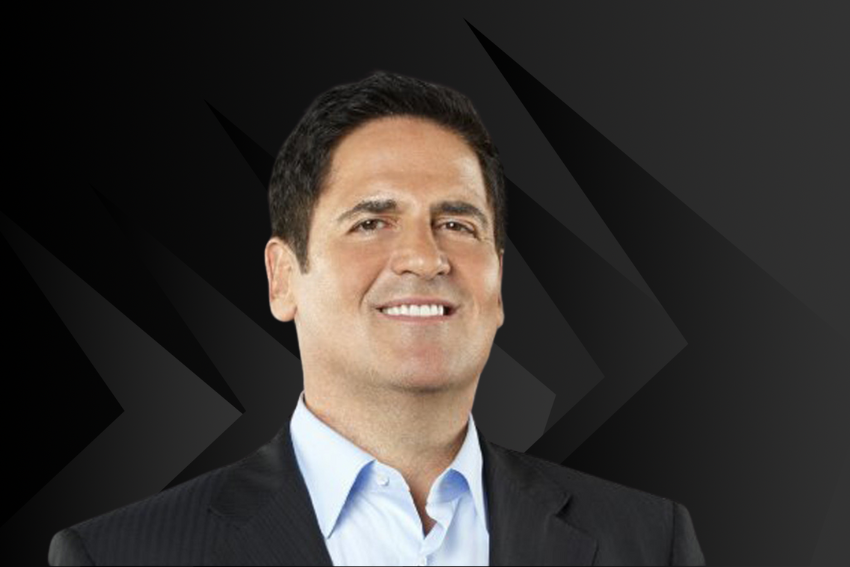
Mark Cuban Net Worth in 2026 A Clear Snapshot
As of 2026, Mark Cuban’s estimated net worth sits at approximately 5.7 billion dollars. His wealth comes from a diverse mix of technology ventures, sports ownership, media deals, and long-term equity investments.
Unlike many billionaires who rely on inherited wealth or single industry dominance, Cuban built his fortune across multiple cycles of innovation. His portfolio continues to evolve, keeping pace with emerging industries such as health care technology and digital media platforms.
Key drivers of his 2026 net worth include
- Early tech exits that generated massive liquidity
- Ownership of the Dallas Mavericks NBA franchise
- Long term profits from Shark Tank investments
- Rapid growth of Cost Plus Drugs
- Strategic exposure to startups and public equities
Early Life and the Hustler Mindset
Mark Cuban was born in Pittsburgh, Pennsylvania, into a blue collar family. He learned the value of money early, selling garbage bags door to door as a teenager. While most people his age focused on social life, Cuban focused on income opportunities.
Even in college, he avoided traditional paths. He skipped classes when possible and spent time building small businesses and studying how technology could disrupt established markets.
This early mindset shaped his future philosophy
- Learn independently
- Act faster than competitors
- Use cash flow to fuel bigger opportunities
First Breakthrough in Tech Sales
After college, Cuban entered the software world, where he discovered the importance of understanding product value before selling it. He launched MicroSolutions, a computer system consulting firm, during a period when businesses struggled to understand emerging network technologies.
His aggressive focus on customer education helped the company gain traction rapidly. In 1990, he sold MicroSolutions for roughly six million dollars, marking his first major financial win.
Rather than spending recklessly, Cuban reinvested most of that money into stocks and technology related assets, laying the groundwork for future exponential gains.
The Broadcast.com Deal That Changed Everything
The defining moment in Mark Cuban’s financial story came in the late nineteen nineties with Broadcast.com. The platform streamed audio content online at a time when internet media was still experimental.
Cuban saw opportunity where others saw uncertainty. He partnered with Todd Wagner to scale the platform rapidly.
In 1999, Yahoo acquired Broadcast.com for approximately 5.7 billion dollars in stock. Cuban locked in much of his wealth by hedging against a potential tech crash, a move that showed rare financial discipline.
That single decision preserved billions when the dot com bubble burst.
Owning the Dallas Mavericks a Bold Bet on Sports
In 2000, Cuban purchased a majority stake in the Dallas Mavericks for around 285 million dollars. At the time, the team struggled on and off the court.
Cuban transformed the franchise by
- Investing heavily in player development
- Modernizing team operations
- Treating fans as customers
- Leveraging data analytics before it became standard
The Mavericks won the NBA Championship in 2011, dramatically increasing the team’s valuation. By 2026, the franchise alone is valued at several billion dollars, making it one of Cuban’s most profitable long-term assets.
Shark Tank Revenue and Brand Power
Mark Cuban joined Shark Tank in 2011 and became one of its most recognizable investors. While the TV salary adds to his income, the real value lies in deal flow and brand elevation.
His Shark Tank portfolio includes dozens of consumer and technology startups. Several reached eight and nine figure valuations through Cuban’s capital and mentorship.
Beyond direct profit, Shark Tank turned Cuban into a trusted voice for entrepreneurs, giving him influence most investors never achieve.
Cost Plus Drugs a Mission Driven Billion Dollar Play
One of Cuban’s most disruptive ventures emerged in the pharmaceutical space with Cost Plus Drugs. The company aims to lower prescription drug prices by eliminating intermediaries.
Cost Plus Drugs operates on transparent pricing and low margins, appealing to both consumers and policy advocates.
By 2026, the company serves millions of customers and contracts with health systems nationwide. While profit was not the original motivation, the company has become a major contributor to Cuban’s net worth.
This venture demonstrates his evolution from pure profit seeker to impact focused capitalist.
How Mark Cuban Invests in 2026
Cuban follows a simple but unconventional investment philosophy. He values cash flexibility over leverage and avoids trends that lack real world utility.
His current investment strategy emphasizes
- Private startups with strong unit economics
- Health care innovation
- Media platforms with loyal audiences
- Reduced exposure to speculative assets
He frequently reminds entrepreneurs that owning equity in profitable businesses matters more than flashy valuations.
Why Mark Cuban’s Wealth Keeps Growing
Mark Cuban’s financial success is not accidental. He built a system around disciplined risk taking and continuous learning.
What sets him apart
- He understands technology adoption cycles
- He protects downside risk before chasing upside
- He invests time, not just money, in businesses
- He stays publicly authentic, which attracts deal flow
These habits allow his wealth to compound even during uncertain market conditions.
Lessons Entrepreneurs Can Learn from Mark Cuban
Aspiring founders can apply Cuban’s approach without billions in capital.
Key lessons include
- Control spending during early wins
- Learn sales before scaling products
- Protect liquidity at all times
- Focus on customer value, not hype
- Build industries, not trends
His journey proves that discipline often matters more than brilliance.
Final Thoughts
Mark Cuban’s net worth in 2026 reflects decades of disciplined execution, strategic risk, and curiosity driven action. His story resonates because it feels attainable, grounded in hustle rather than privilege.
As new industries emerge and old systems get challenged, Cuban continues to position himself where innovation meets opportunity. His empire shows no signs of slowing, and his influence extends far beyond balance sheets.
Frequently Asked Questions About Mark Cuban’s Net Worth
How did Mark Cuban make most of his money?
He built his wealth largely from the Broadcast.com sale, followed by smart long term investments, ownership of the Dallas Mavericks, and successful startup ventures.
Is Mark Cuban still a billionaire in 2026?
Yes, Mark Cuban remains a billionaire in 2026 with an estimated net worth of around 5.7 billion dollars.
Does Shark Tank significantly impact his net worth?
While the show salary is modest, the startup investments and personal brand growth from Shark Tank significantly contribute to his overall wealth.