Pravi Celer is more than a crunchy snack. It is a nutrient rich vegetable with a clean taste, crisp texture, and a long history in kitchens and wellness circles. In this guide, I unpack what makes true celery special, how to use it every day, and how to choose the best stalks for flavor and nutrition. You will also find simple prep tips, storage advice, and evidence-based cautions so you can enjoy it with confidence.
What is Pravi Celer?
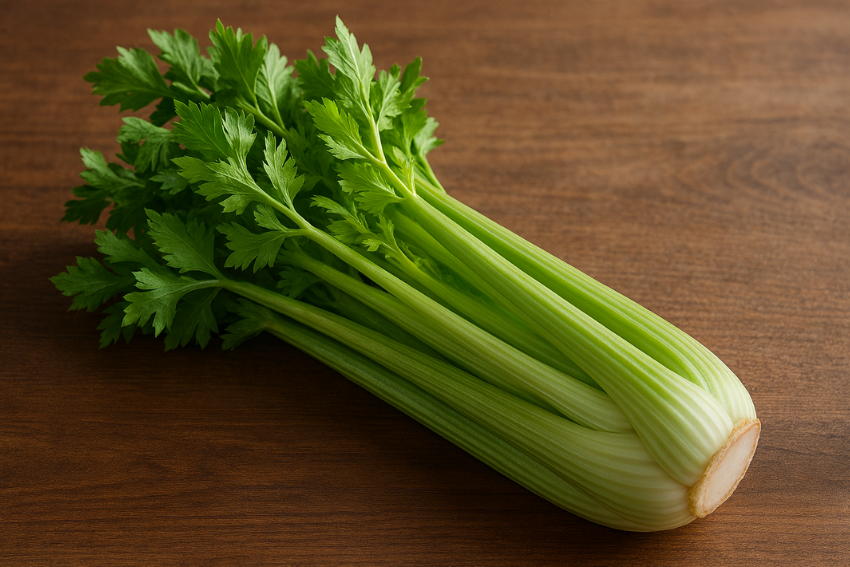
Pravi Celer means true celery. It refers to the familiar green stalks with leafy tops that you find in markets year-round. Most people use the stalks for crunch and the leaves for punchy aroma. The seeds and root also have culinary roles in different cuisines. Celery belongs to the Apiaceae family, which includes parsley, dill, and fennel. It thrives in cool seasons, stores well in the fridge, and brings a clean, savory note to both raw and cooked dishes.
Key Health Benefits
Celery has a mild flavor, yet it delivers a surprising set of advantages when you eat it regularly. Here is what it brings to the table.
Hydration Support
Celery contains high-water content. That helps with daily hydration and gives salads and snacks a juicy bite. You stay refreshed without extra sugar or calories.
Fiber For Digestion
The stalks offer both soluble and insoluble fiber. This combo supports regularity, feeds good gut bacteria, and helps you feel full after meals.
Micronutrients That Matter
Celery supplies vitamin K, folate, and potassium in meaningful amounts. Vitamin K supports bone and blood health. Folate aids cell growth. Potassium helps balance fluids and supports normal blood pressure.
Aromatics And Antioxidants
Celery contains natural compounds such as apigenin and luteolin. These plant flavonoids act as antioxidants in the body. They help fight everyday oxidative stress from lifestyle and environment.
Light And Low Glycemic
Celery is low in calories and has a low glycemic impact. It fits many dietary styles, including low carb, Mediterranean, and plant forward eating.
Sodium Awareness
Natural sodium gives celery a savory snap. In whole stalk form, this is usually not a problem for most people. It can even help replace high sodium processed snacks. If you track sodium closely, focus on fresh stalks rather than celery salt.
Culinary Uses That Go Beyond Sticks and Dip
Celery can do far more than carry peanut butter or hummus. Use the entire plant to reduce food waste and boost flavor.
The Classic Flavor Base
Many cuisines start recipes with an aromatic trio. Celery is a pillar in these bases.
- Italian soffritto with onion and carrot
- French mirepoix with onion and carrot
- Cajun and Creole holy trinity with onion and bell pepper
Dice the stalks small. Sauté until fragrant. Build soups, sauces, and stews on top of this foundation.
Crunch and Contrast
Add thin slices to salads, slaws, and grain bowls. It gives texture without heaviness and pairs well with apple, pear, fennel, walnuts, and citrus.
Leaf Power
Do not toss the leaves. Use them like herbs.
- Stir chopped leaves into soups at the end
- Blitz into green sauces and pesto
- Mix with parsley in tabbouleh for a more savory edge
Seed and Spice
Celery seed tastes warm and earthy. Add a pinch to pickles, vinaigrettes, coleslaw, and dry rubs. Make your own celery salt by grinding seeds with flaky salt. You control the sodium level and the spice quality.
Root and Ribbons
If you find celery root, also called celeriac, try it roasted or mashed. It tastes like celery with a nutty undertone. Shave raw ribbons into salads with lemon and olive oil.
How To Buy Quality Pravi Celer
Look for bright green stalks that feel firm and snap cleanly. Leaves should look vibrant, not limp. Avoid rubbery stems or brown spots. Smaller, thinner stalks tend to taste sweeter and more tender. Larger, thicker stalks give stronger flavor and more crunches. Choose based on how you plan to use it.
Storage And Prep That Keeps It Crisp
- Trim and rinse the base. Separate stalks.
- Wrap in paper to absorb moisture, then tuck into a reusable bag or container.
- Store in the fridge in the crisper drawer.
- Refresh wilted stalks by soaking in ice water for 10 minutes.
- Save the leaves and ends in a freezer bag for homemade stock.
For easy snacks, cut stalks into sticks and store them in a sealed container with a splash of water. Change the water every two days to keep things fresh.
Simple Recipes and Ideas
- Zesty celery salad: Slice celery thin. Toss with lemon juice, olive oil, chili flakes, shaved Parmesan, and celery leaves. Finish with black pepper.
- Weeknight soup base: Sauté equal parts diced celery, onion, and carrot in olive oil. Add garlic. Pour in stock. Add beans or lentils. Simmer until tender. Finish with parsley and lemon zest.
- Citrus crunch slaw: Shred cabbage. Add celery slices and orange segments. Dress with yogurt, Dijon, honey, and lime.
- Herbed tuna and celery wraps: Mix tuna with Greek yogurt, herbs, and chopped celery. Spoon into lettuce cups or whole grain wraps.
- Spiced roast celeriac: Cube and roast celery root with olive oil, paprika, and cumin. Serve with tahini and herbs.
Pravi Celer for Wellness Routines
You can bring celery into a daily rhythm without fuss.
- Snack on sticks with bean dip.
- Stir chopped stalks into omelets.
- Add to your lunchtime grain bowl.
- Blend leaves into smoothies for a herbal lift.
- Sip a mug of quick celery leaf broth for a savory pick me up.
Celery juice has become a trend. It tastes clean and refreshing. Still, you get more fiber and a steadier fullness when you eat the whole stalk. If you enjoy juice, pair it with a protein rich snack to balance your meal.
Who Should Be Cautious?
Most people enjoy celery with no issues. A few points deserve attention.
Allergy Risk
Some people have a true celery allergy. If you react to birch pollen or mugwort, you may notice cross reactivity with celery. Seek medical advice if you feel tingling, hives, or swelling after eating it.
Sodium Sensitive Diets
Whole celery usually fits even low sodium plans. Celery salt and processed foods that use it can be high in sodium. Read labels and use spices mindfully.
Photosensitivity Note
Celery contains natural compounds called furocoumarins. In rare cases, high skin exposure to raw juice followed by strong sun can irritate the skin. Wash hands after heavy prep if you plan to be in direct sunlight.
Kidney Considerations
Celery is hydrating and light. If you manage kidney concerns or strict potassium limits, discuss portions with your healthcare team.
Sustainability and Zero Waste Tips
Celery grows well in cooler seasons and stores efficiently. You can reduce waste and stretch flavor with a few habits.
- Turn trimmings into stock with onion skins and carrot ends.
- Freeze chopped leaves in olive oil in small cubes. Drop into soups later.
- Pickle sliced ribs from the inner heart for a bright, crunchy garnish.
- Regrow the base by placing it in a shallow dish of water near a sunny window. Then plant it in a pot once new leaves appear.
Smart Pairings for Taste and Nutrition
Pair celery with ingredients that complement its fresh, savory vibe.
- Creamy: Greek yogurt, tahini, ricotta
- Crunchy: walnuts, almonds, toasted seeds
- Sweet: apple, pear, golden raisins
- Herbal: parsley, dill, mint, tarragon
- Bright: lemon, lime, orange, vinegar
- Umami: Parmesan, miso, anchovy, olive
These pairings add richness, balance sodium, and increase satisfaction. Your meals feel complete and your palate stays interested.
Common Mistakes to Avoid
- Overcooking at high heat until it turns mushy.
- Throwing out the leaves, which hold a lot of flavors.
- Relying only on celery salt rather than the fresh plant.
- Using dull knives that crush the fibers and leak moisture.
- Storing unwrapped in the fridge, which speeds up limp texture.
Buying Guide for Budget and Quality
- Choose whole heads rather than precut sticks when possible. Whole heads keep longer and cost less.
- If organic options are available and fit your budget, consider them for stalks you plan to eat raw.
- In peak season, buy extra and prep for the freezer. Blanch chopped celery for a minute, chill in ice water, pat dry, and freeze on a tray before bagging. Use it in soups later.
Quick Myth Checks
- Myth: Celery has negative calories.
Reality: No food has negative calories. Celery is low in calories and high in water and fiber. That helps with fullness, but it still provides energy. - Myth: Celery juice alone detoxes the body.
Reality: Your liver and kidneys already do detox work. Celery can be part of a balanced diet that supports those organs, but no single juice is a cure all. - Myth: Leaves are bitter and useless.
Reality: Leaves add bright, herbal flavor. Use them like parsley for freshness and color.
A One-Minute Plan to Add Pravi Celer Today
- Wash and slice two stalks.
- Toss with olive oil, lemon, and a pinch of salt.
- Add chopped leaves.
- Eat it with eggs, grilled paneer, or lentils.
- Save the ends for your next pot of soup.
Small steps make new habits easy. Keep a container of celery sticks ready in your fridge. You will grab them when you need crunch or a clean tasting veg to round out a meal.
The Takeaway
Pravi Celer is a simple vegetable with a lot to give. It hydrates, adds fiber, and delivers essential micronutrients with almost no effort. It anchors classic flavor bases, brightens raw salads, and supports a balanced plate. Buy crisp stalks, store them well, and use every part. With a few habits, celery can become a daily staple that boosts flavor, texture, and wellbeing.
FAQs
Is it better to eat celery raw or cooked?
Both are useful. Raw celery delivers the most crunch and water. Gentle cooking softens fibers and deepens flavor for soups and stews. Choose based on the dish and the texture you prefer.
How much celery should I eat daily?
A cup of chopped celery or two large stalks is a practical serving for most people. Adjust based on your appetite and the rest of your meal.
Can I replace celery in recipes?
If you do not have celery, try fennel for a fragrant twist, bok choy stems for crunch, or green bell pepper in Cajun dishes. Flavor will change, but your recipe will still work.
What is the best way to cut celery for salads?
Use a sharp knife. Slice thin on the bias for elegant arcs. Include tender leaves for color and aroma.