Modern communities face a wide range of potential challenges, from extreme weather and public health emergencies to infrastructure disruptions and social crises. Preparedness is no longer a concept limited to governments or emergency services; it is now a shared responsibility that involves individuals, families, businesses, and community organizations. By planning ahead and building awareness, communities can respond more effectively to unexpected events and reduce long-term disruption.
Preparedness involves more than storing emergency supplies or creating evacuation plans. It is about cultivating a mindset that prioritizes resilience, adaptability, and cooperation. When people understand potential risks and know how to respond, they are better equipped to protect themselves and support others. This proactive approach can significantly reduce fear and confusion when challenges arise.
Building Stronger Local Networks
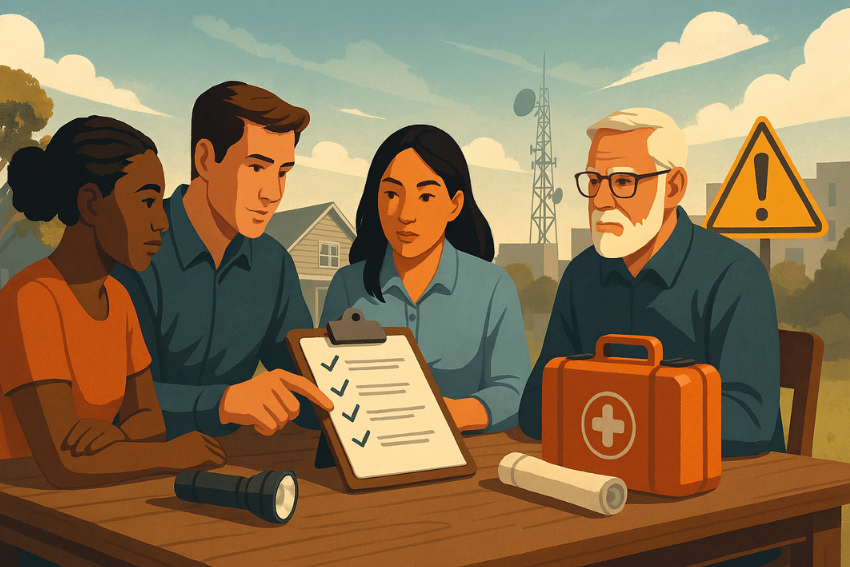
One of the most important aspects of preparedness is the development of strong local networks. Communities that communicate effectively and share resources are often better able to respond during emergencies. Neighborhood initiatives, volunteer groups, and local leadership structures all contribute to a collective safety net.
Preparedness efforts often bring people together through training sessions, awareness campaigns, and collaborative planning. These activities not only build practical skills but also foster trust among residents. When individuals know who to turn to in times of need, response efforts become more coordinated and efficient. In this way, preparedness helps transform communities into supportive environments where people feel connected and empowered.
The Importance of Education and Awareness
Education plays a crucial role in shaping preparedness strategies. Schools, workplaces, and community centers can provide valuable information on risk management, first aid, and emergency communication. Through consistent education, individuals learn how to assess potential threats and take appropriate action.
Awareness campaigns can also highlight the importance of disaster planning and resource management. By encouraging people to think ahead, communities can reduce the likelihood of panic during difficult situations. Educational initiatives often emphasize simple steps, such as creating family emergency plans, understanding local warning systems, and staying informed through trusted channels.
Organizations involved in humanitarian response frequently stress that preparedness is a continuous process rather than a one-time task. Many communities benefit from guidance offered through initiatives like American Red Cross disaster relief, which focus on helping individuals and neighborhoods develop the skills and confidence needed to respond to crises.
Technology and Modern Preparedness
Advances in technology have transformed the way communities approach preparedness. Digital communication tools, mobile applications, and real-time data systems enable faster information sharing during emergencies. These innovations help authorities issue warnings, coordinate response teams, and keep residents updated on changing conditions.
Technology also supports long-term planning efforts. Predictive modeling, geographic mapping, and early warning systems allow communities to identify vulnerabilities and take preventative measures. By integrating technology into preparedness strategies, modern societies can become more resilient in the face of evolving challenges.
However, reliance on technology must be balanced with practical, low-tech solutions. Power outages or connectivity issues can disrupt digital systems, making traditional preparedness methods such as printed plans and community meeting points equally important.
Encouraging Personal Responsibility
Preparedness is most effective when individuals take personal responsibility for their own safety and well-being. This includes maintaining emergency supplies, staying informed about local risks, and participating in community initiatives. Personal readiness contributes to collective resilience by reducing pressure on emergency services during critical moments.
Families can play a key role by discussing potential scenarios and agreeing on communication strategies. These conversations help ensure that everyone understands what to do if separated or faced with unexpected disruptions. Encouraging personal responsibility also promotes a culture of preparedness that extends beyond immediate households to the wider community.
Looking Ahead: Preparedness as a Community Value
As global challenges continue to evolve, preparedness will remain an essential component of modern community life. It represents a proactive investment in safety, stability, and long-term well-being. By prioritizing education, collaboration, and adaptability, communities can navigate uncertainty with greater confidence.
Ultimately, preparedness is about more than responding to emergencies. It is about building environments where people feel supported, informed, and capable of facing change together. When communities embrace preparedness as a shared value, they strengthen their ability to recover, rebuild, and move forward with resilience.