Traumatic Brain Injury is one of the most serious health challenges people face after an unexpected accident or violent impact. It affects how the brain works and can change a person’s physical, emotional and cognitive abilities in ways that range from temporary to life altering. Understanding this condition helps people respond quickly and seek the right treatment which can improve recovery outcomes.
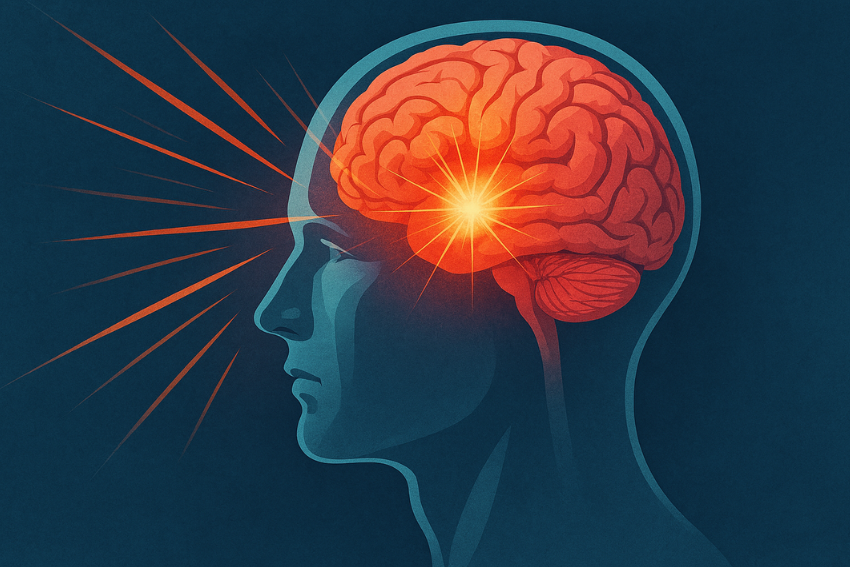
Traumatic brain injuries happen when an external force impacts the brain. It might be a sudden blow, a rapid movement, or a penetrating object entering the skull. Mild injuries may affect brain cells for a short time. Severe injuries may cause long term damage, torn tissues, or bleeding inside the brain which can lead to permanent complications or even death.
This guide explores symptoms, causes, diagnosis and treatment with a fresh and practical perspective so readers feel informed and prepared.
What is Traumatic Brain Injury?
A traumatic brain injury occurs when a forceful impact, jolt or an object disrupts normal brain function. Not every bump result in TBI but stronger impacts often do. It happens in both penetrating injuries where an object breaks the skull and non-penetrating injuries where the brain moves inside the skull due to sudden force.
Traumatic brain injuries range from mild concussions to severe injuries that affect thinking, movement, communication and behavior. In some cases, the damage happens instantly. In others, reactions continue for hours or days as the brain responds to the injury.
Common Causes of Traumatic Brain Injury
Traumatic brain injuries occur in many everyday situations. Some involve sports. Others involve falls or motor vehicle accidents. Here are the most well-known causes backed by research.
Falls
Falls remain the leading cause of TBIs across all age groups, especially young children and older adults. Slipping on wet floors, falling downstairs, losing balance on uneven surfaces or stumbling during daily activities can all cause injury.
Motor Vehicle Accidents
Collisions in cars, motorcycles or trucks can cause the brain to slam against the inside of the skull. Sudden stops also create strong internal forces that lead to injury.
Being Struck by Objects
This is common in sports or workplace injuries. A ball can hit someone unexpectedly. People may stand up quickly and strike their head on a hard object. Construction workers often experience risks from falling tools.
Sports and Recreational Activities
High contact sports create frequent opportunities for concussion. Football, soccer, hockey and boxing show some of the highest risks. Skateboarding and cycling accidents also contribute.
Combat and Explosion Injuries
Military personnel face a unique threat. Explosions can cause brain injury even when no object touches the head directly. Shockwaves alone can disrupt brain function.
Violence and Assault
Physical fights, domestic violence and gunshot wounds are serious causes of penetrating or severe head injury. Infants may suffer injuries from shaken baby syndrome.
Workplace Accidents
Industrial sites or construction areas expose workers to head injuries when machinery or equipment creates unexpected hazards. Falls at work are also a major concern.
Recognizing Symptoms of Traumatic Brain Injury
Symptoms differ based on the severity and the area of the brain affected. Some symptoms appear right away. Others develop gradually in the hours or days after the incident.
Symptoms of Mild TBI
According to Mayo Clinic, mild TBIs may include:
- Headache
- Nausea or vomiting
- Fatigue or drowsiness
- Dizziness or balance problems
- Problems with speech
- Blurred vision, light sensitivity or ringing in the ears
- Feeling confused or disoriented
- Memory or concentration problems
- Mood changes
- Difficulty sleeping or sleeping more than usual
Symptoms of Moderate to Severe TBI
More serious injuries may include:
- Loss of consciousness for several minutes or hours
- Persistent or worsening headache
- Repeated vomiting
- Seizures
- Fluid draining from nose or ears
- Weakness or numbness in limbs
- Loss of coordination
- Slurred speech
- Deep confusion
- Agitation or unusual behavior
- Coma
Symptoms in Children
Children may not explain how they feel. Parents must watch for:
- Unusual irritability
- Changes in eating or sleeping
- Lack of interest in play
- Loss of balance
- Persistent crying
When to Seek Medical Attention
The National Institute of Neurological Disorders and Stroke recommends seeking immediate medical help if symptoms like headache, dizziness, confusion or fatigue appear after an injury. Emotional changes like irritability or anxiety may also signal a problem.
Any severe symptoms in the first twenty-four hours require emergency care.
How Doctors Diagnose Traumatic Brain Injury
Diagnosis begins with a medical evaluation that checks reflexes, strength and cognitive function. A detailed history helps doctors understand how the injury occurred and which symptoms followed. This process includes questions about the accident, the person’s behavior and any loss of consciousness.
If the injury appears mild doctors may monitor the patient. For more serious injuries imaging tests are required.
Essential Diagnostic Tools
- CT Scan: CT scans help detect skull fractures, brain bleeding and tissue damage. They are often the first choice in emergencies.
- MRI Scan: MRI scans identify structural or microscopic brain changes that a CT scan might miss.
- Neurological Exam: This includes testing reflexes, balance, memory, concentration, vision and coordination.
- Cognitive Assessments: These tests measure problem solving, attention and memory to reveal subtle effects.
Treatment Options for Traumatic Brain Injury
Treatment depends on the severity of the injury. Mild cases may need rest and careful monitoring. Severe injuries require emergency care and long-term rehabilitation.
Immediate Emergency Care
Doctors first stabilize breathing, blood pressure and bleeding. Severe injuries may require tubes for breathing support. Open wounds must be controlled to prevent complications.
Medical Management
Treatment may include:
- Medications to reduce swelling
- Seizure prevention drugs
- Pain relief
- Surgery to remove clots or repair skull fractures
Rehabilitation for Recovery
Long term care focuses on restoring physical, mental and emotional functions. Rehabilitation often involves:
- Physical therapy
- Occupational therapy
- Speech therapy
- Balance and coordination exercises
- Counseling for emotional well-being
- Assistive tools to support mobility and communication
A coordinated approach gives people the best chance of regaining independence after injury.
Preventing Traumatic Brain Injury
Although not all accidents can be avoided, preventive steps help reduce the risk.
Practical Safety Tips
- Wear helmets during sports or cycling.
- Install grab bars and non-slip mats at home.
- Use seat belts and follow road safety rules.
- Keep work environments clear and safe.
- Supervise children closely during play.
- Use protective gear in workplaces with heavy equipment.
Understanding risk factors like age, medical conditions or substance use also helps people and caregivers stay alert.
Final Thoughts
Traumatic brain injuries are serious but understanding them helps reduce their long-term effects. Quick medical care, accurate diagnosis and structured rehabilitation improve recovery. People can protect themselves through awareness, safety practices and timely response to symptoms.
Knowledge empowers individuals and families to act with confidence during unexpected moments. The more people understand the signs and causes of TBI the better prepared they are to safeguard their health and support others.
Frequently Asked Questions About Traumatic Brain Injury
Can a mild TBI cause long term issues?
Yes, mild TBIs can cause temporary problems but some people experience ongoing memory issues, mood changes or concentration difficulties depending on the area of the brain affected.
How long does recovery take?
Recovery varies widely. Some people heal within weeks. Others need months or longer, especially if complications arise.
Is every head injury a traumatic brain injury?
No. Not all blows to the head affect brain function. However strong impacts can cause injury even if there is no immediate loss of consciousness.
When should a CT scan be performed?
A CT scan is recommended when symptoms suggest moderate or severe injury or when doctors need to detect fractures or bleeding quickly.
Can children fully recover from TBI?
Many children recover well but early detection and proper care improve outcomes. Parents must observe behavior changes closely.