A CT scan is a medical test that takes clear pictures of the inside of your body, using X-rays and a computer. Doctors view these images when they want to see what is wrong and how to treat it.
Some people feel anxious while looking for places to undergo a “CT scan near me.” The big machine, the hospital room and the very idea of the test may all seem scary. But the process itself is quick and painless. Most people complete it in just a few minutes.
Being prepared makes the whole process easier. This blog shares a simple checklist. It will guide you on what to do before, during, and after your scan.
Understanding a CT scan
A CT scan is a test that shows the inside of your body. The machine takes many X-ray pictures from different sides. A computer then joins these pictures to make one big, clear image.
It is not like a standard X-ray. An X-ray gives only a single flat picture. A CT scan shows more details and can spot problems that X-rays may miss. It is also not the same as an MRI. MRI uses magnets and sound waves. CT uses X-rays and works much faster.
Doctors often suggest a CT scan to look for injuries, bleeding, infections, or tumours. It helps them know what is wrong and how to treat it. A CT scan can be done for different parts of the body. For instance, a CBCT scan is often required for dental issues. The CBCT scan price will vary according to the area that needs to be scanned.
The Preparation Checklist
Let’s help you get prepared for your first CT scan.
Talk to Your Doctor First
Tell your doctor about your entire medical history. Report to them any previous surgeries or significant health problems you have had in the past.
Also, do not forget to tell them about your allergies as well. This is especially significant if you are allergic to medicines or contrast dye.
Discuss the medications you consume daily. It includes tablets for blood pressure, diabetes or anything else. Let your doctor know if you are pregnant or breastfeeding.
Don’t be afraid to ask questions. Find out the risks and the benefits of the scan. Clear answers will help make you feel safe and prepared.
Ask About Contrast Dye
Sometimes doctors use a special liquid in CT scans. This liquid is called a contrast dye. It makes certain parts of your body show up more clearly in the pictures.
Not everyone needs contrast dye. But if your doctor suggests it, ask why. Tell them if you have kidney problems, diabetes, or if you had a bad reaction to dying in the past. These things are very important.
Your doctor may do a blood test to check if your kidneys are strong enough. With proper care, contrast dye is usually safe.
Following Food and Drink Guidelines
Your doctor may give you instructions about what to eat and drink before having a CT scan. Some scans need fasting. That means don’t eat for several hours before the test. It helps doctors to get definitive answers.
If contrast dye is used, you may need to drink extra fluids. Water aids in transporting the dye through your body. Your kidneys will help flush out of your system after the scan.
Doctors occasionally advise avoiding caffeine or heavy meals. Your body’s reaction can be influenced by caffeine, tea or oily food. Follow the advice you are given.
Clothing and Personal Items
Wear loose, comfortable clothing for your CT scan. It can be difficult to lie still in tight clothing. Choose soft cotton clothes.
All metal objects must be taken off before the scan. Remove jewelry, watches, belts and hairpins. The X-rays can be blocked, and the photos can be ruined by metal.
Safety Precautions
Before your CT scan, tell your doctor if you are pregnant or breastfeeding. The scan uses X-rays, which may not be safe for the baby.
Also, share if you had any CT scans or X-rays recently. Too much radiation exposure in a short time is not good.
Sometimes a CT scan may not be the first choice. Your doctor may suggest an MRI or ultrasound instead. These tests do not use radiation. Talking openly helps your doctor choose the safest and most beneficial test for you.
Manage Anxiety Before the Scan
Feeling nervous is normal. Arrive early for your scan. Extra time helps you relax. You can park, fill forms, and breathe. Rushing makes stress worse.
Try slow belly breathing. Breathe in through your nose for four counts. Hold for two. Breathe out through your mouth for six. Do this a few times. You can also relax your muscles from head to toe.
Bring a friend or family member if allowed. Listen to calm music while you wait.
Ask the staff to explain each step. Ask how long it takes and what sounds you will hear. Tell them about your worries. They are there to help you feel safe.
What to Expect on the Day
On the day of your CT scan, knowing what will happen makes it easier. You will first arrive at the imaging center. Staff will guide you to the waiting area. They may ask you to change into a gown.
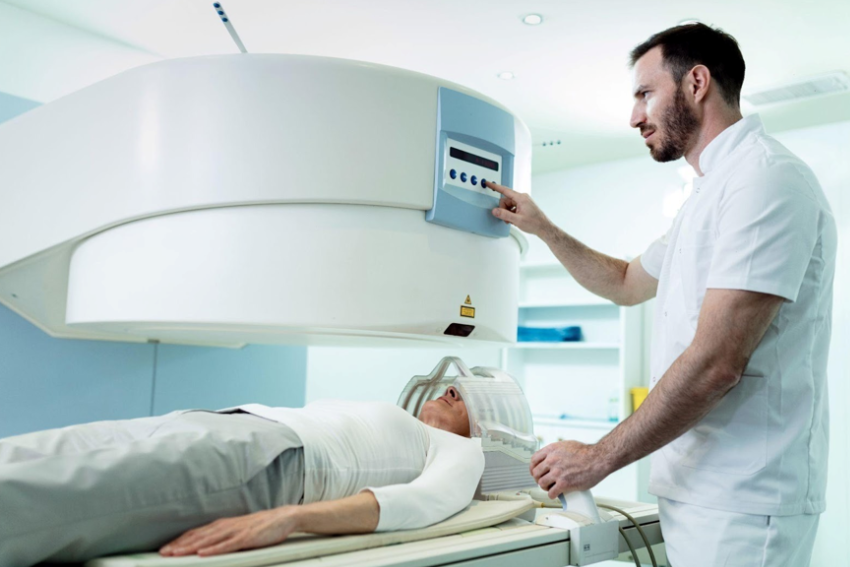
When it is time, you will lie down on a special table. The table moves slowly into the CT machine. You must lie very still so the pictures are clear. The machine may make soft whirring sounds, but it will not hurt.
Most scans take only 10 to 20 minutes. Sometimes it can be faster.
A trained technician will be in charge. They will explain everything and watch you from another room. You can speak to them through a microphone.
Your doctor will get the results later and then explain what they mean.
After the Scan
Once your CT scan is over, you can usually go home the same day. If contrast dye was used, drink plenty of water. This helps flush out the dye out of your body.
You can eat normal food soon after the scan, unless your doctor gives other advice. Most people feel fine. Some may have dry mouths or feel warm for a short time. These side effects usually go away quickly.
Call your doctor if you notice itching, rash, or trouble breathing. Also, contact them if you feel pain or discomfort that does not stop. Staying alert after the scan helps you stay safe.
Conclusion
A CT scan may sound scary at first, but it is quick, safe, and very helpful. It gives doctors clear pictures to find problems and choose the right treatment.
Good preparation makes the scan easier. It lowers stress and helps get better results. Simple steps like talking to your doctor, following food rules, and staying calm can make a big difference.
Choosing a reliable diagnostic center like Vijaya Diagnostic will also make your first CT scan experience a smooth one.