Key Takeaways
- Dual diagnosis = co-occurring mental health and substance use disorders.
- Integrated treatment (therapy, medication, support groups) is most effective.
- Benefits: lower relapse rates, improved mental health, better quality of life.
- Barriers: stigma, fragmented services, and limited access.
- Solutions: awareness, provider training, and expanded specialized care.
- Goal: coordinated care supports lasting recovery and improved well-being.
Understanding Dual Diagnosis
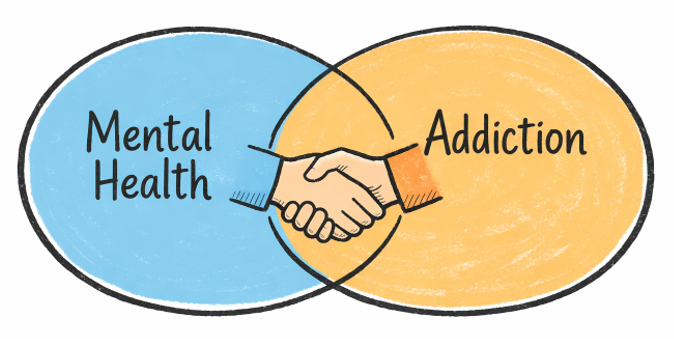
Dual diagnosis describes the presence of both a mental health disorder and a substance use disorder within the same individual. This overlapping of conditions often complicates both diagnosis and recovery options. Mental health symptoms and substance use can feed into each other, creating a cycle that is challenging to break without professional help. For example, depression might lead someone to misuse substances in an attempt to self-medicate, but those same substances often worsen depressive feelings over time. For comprehensive guidance and support, Pinnaclerecoveryut.com offers resources tailored to individuals grappling with both mental health and addiction challenges.
The interaction between these conditions often creates a unique and complex situation for those affected. Many people may not realize that what they’re experiencing extends beyond a single area of concern. Instead of receiving coordinated care, individuals are sometimes treated only for addiction or only for a mental health condition, resulting in less effective outcomes.
Prevalence and Impact
The prevalence of dual diagnosis is significant. According to the National Institute on Drug Abuse, around half of those with a mental illness will also experience a substance use disorder in their lifetime. This data highlights the importance of recognizing the interconnected nature of mental health and addiction, emphasizing the need for treatment plans that address both conditions simultaneously. The impact of untreated dual diagnosis can be profound, including more persistent illnesses, higher rates of hospitalization, and increased risk of suicide, as noted by the National Institute on Drug Abuse.
In addition to these personal tolls, families and communities also feel the strain. Relapse rates are often higher in those with dual diagnosis if both disorders are not addressed in a coordinated way. Addressing both conditions together is critical for breaking the cycle and increasing chances of sustainable recovery.
Challenges in Diagnosis
Diagnosing dual diagnosis is not straightforward due to overlapping and sometimes confusing symptoms. Someone experiencing anxiety may engage in stimulant use, or a person using stimulants may develop anxiety symptoms as a result. This overlap can make it difficult for healthcare providers to accurately determine which issues are substance-induced and which are underlying mental health disorders. A comprehensive evaluation by trained professionals is essential. A detailed patient history, screening tools, and a period of abstinence from substances (when possible) are some of the ways providers can work toward an accurate diagnosis.
Integrated Treatment Approaches
Coordinated treatment that addresses both substance use and mental health disorders is widely recognized as the gold standard for dual diagnosis. Integrated treatment means that mental health care and addiction recovery are delivered together, rather than separately. Key elements of this approach often include:
- Therapy: Techniques such as cognitive-behavioral therapy (CBT) and dialectical behavior therapy (DBT) support individuals in learning coping skills that address both substance use and mental health symptoms.
- Medication Management: Medications can be vital in stabilizing mood disorders or reducing cravings. These are prescribed as part of a broader treatment plan, monitored closely by medical professionals.
- Support Groups: Participating in groups such as Alcoholics Anonymous (AA) or Narcotics Anonymous (NA) provides encouragement and shared accountability, fostering a sense of community among individuals facing similar struggles.
Benefits of Integrated Treatment
Research demonstrates that people who receive integrated care have better outcomes compared to those who receive fragmented treatment. Integrated approaches can reduce substance misuse, ease the intensity of mental health symptoms, and promote overall well-being. According to the Substance Abuse and Mental Health Services Administration, addressing both disorders together significantly decreases relapse rates and improves quality of life for many individuals, as detailed by SAMHSA.
Barriers to Treatment
Despite growing awareness and improvements in care models, many barriers remain that prevent individuals from receiving integrated treatment. Some of the most notable challenges include:
- Stigma: Many people may hesitate to seek help, fearing negative judgment from peers or society for struggling with either addiction or a mental health condition.
- Fragmented Services: Traditional care systems often separate mental health and addiction services, forcing individuals to navigate two different providers and treatment plans.
- Limited Resources: Not all communities have specialized programs for dual diagnosis, making it hard for those in rural or underserved areas to access comprehensive care.
Overcoming Barriers
Improving access to integrated dual diagnosis care is critical for effective recovery. Steps to achieve this include:
- Increase Awareness: Educational campaigns and open conversations help break down stigma, letting people know that recovery is possible and that they are not alone.
- Enhance Training: Expanding training opportunities for healthcare providers leads to more accurate diagnoses and more effective treatment for those with co-occurring conditions.
- Expand Services: Continued advocacy for increased funding and resources enables the development and enrichment of programs specifically designed to treat dual diagnosis.
Final Thoughts
Successfully treating individuals who face both a mental health disorder and a substance use disorder demands an approach that recognizes and addresses the dynamic relationship between these conditions. Integrated care models offer hope and effective solutions, allowing those impacted by dual diagnosis to build meaningful, lasting recoveries while reclaiming their quality of life.