Hair Loss in Women is a serious issue that impacts millions of people all over the world and that has a powerful influence on the image, the feeling of confidence and emotional state. Most women may observe that their hair is getting thin or shedding a lot at any age in life and even then, the situation most of the times appears to come out of the blue yet it is a progressive thing. Such perspective on the causes of hair loss, the discovery of those traits that should be noticed at an early stage and actually effective methods of treatment enables women to take their hair health and self-esteem into their own hands again.
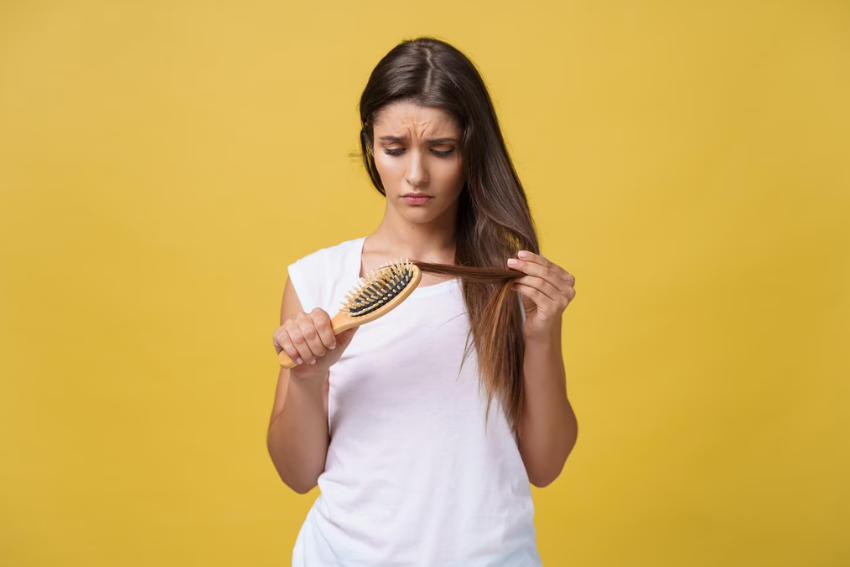
This comprehensive guide addresses the causes, symptoms, prevention measures as well as science supported treatment that help women to manage and reverse the loss of hair.
Understanding Hair Loss in Women
Hair grows in cycles. Each strand passes through stages that are called growth, transition, rest and shedding. Once the natural cycle is disrupted the increase in strands in the shedding process results in the thinning being visible.
Women do not develop complete baldness just as men do. Rather they undergo diffuse thinning, part line widening and depletion of volume. This is because early detection of the condition is more effective and can be used to preserve the existing hair.
Hair health is affected by several internal and external factors. The strength and density of the hair depend on hormones, nutrition, stress, genetics and styling habits.
Common Causes of Hair Loss in Women
Hair loss is caused by several internal and external factors. By ascertaining the cause it becomes easier to ascertain the best treatment plan.
Hormonal Changes
Hormones have a direct effect on the hair growing cycle. The hair is responsive to changes in hormone levels. The hormonal changes experienced by women include:
- Pregnancy
- Post pregnancy period
- Perimenopause
- Menopause
- Monthly cycles
- Thyroid imbalances
- Polycystic ovary syndrome
Estrogen helps to grow hair whereas androgen sensitivity leads to thinning. These hormones are found to weaken and fall out more quickly when these are flexible.
Nutritional Deficiencies
Hair follicles need regular feeding. When the body fails to receive the required nutrients, it is the priorities to the body parts that are of utmost importance and then focuses on hair growth. The major nutrients that lead towards healthy hair are:
- Iron
- Vitamin D
- Biotin
- Protein
- Omega fatty acids
- Vitamin B12
- Folic acid
- Zinc
- Selenium
Those women who have restrictive diets, poor digestion or heavy bleeding during periods can develop deficits resulting into hair thinning.
Stress and Emotional Strain
Cortisol is a hormone that is released as a result of chronic stress, and it disturbs the normal functioning of the follicle. Sudden shedding may be caused either by emotional or physical stress.
Triggers include:
- Major life changes
- Illness or surgery
- Sudden weight loss
- Work or family pressure
- Trauma
Due to stress-related hair loss, the condition normally manifests two or three months after the source of stress.
Genetic Factors
There are some women who are sensitive to hormones which enable them to thin gradually. This is referred to as female pattern hair loss and is common on the top and the top of the head. Although it cannot be cured it can be treated through long term treatment.
Medical Conditions
Several health conditions disrupt the absorption of nutrients, circulation or immunizations. These include:
- Thyroid disorders
- Autoimmune diseases
- Lupus
- Diabetes
- Scalp psoriasis
- Seborrheic dermatitis
- Chronic inflammation
- Poor blood circulation
Medical conditions are usually treated, which enhances the growth of hair.
Underlying Medical Conditions
Several health conditions disrupt the absorption of nutrients, circulation or immunizations. These include:
- Thyroid disorders
- Autoimmune diseases
- Lupus
- Diabetes
- Scalp psoriasis
- Seborrheic dermatitis
- Chronic inflammation
- Poor blood circulation
Medical conditions are usually treated, which enhances the growth of hair.
Side Effects of Medications
Some medications contribute to hair thinning. Examples include:
- Antidepressants
- Blood pressure medications
- Birth control pills
- Chemotherapy drugs
- Corticosteroids
- Acne medications
- Blood thinners
In case it is brought on by the medication, the doctors can either increase or decrease the dosage or prescribe an alternative one.
Hair Care and Styling Damage
Improper hair care exposes strands to breakage and permanent follicle damage. Harsh treatments cause elasticity and long term thinning. The popular harmful practices involve:
- Daily use of straighteners or curlers
- Frequent coloring
- Perming
- Keratin treatments
- Tight ponytails or braids
- Heavy extensions
- Constant brushing of wet hair
- Hot oil treatments applied incorrectly
Protecting hair from physical and chemical stress reduces breakage significantly.
Symptoms of Hair Loss in Women
There are many ways women lose their hair, and the symptoms do not appear immediately, but usually, they acquire over time before being extreme. Early symptoms recognition contributes to the prevention of the additional thinning and provides the opportunity to influence it in time. Common symptoms include:
- A wider part line that becomes more visible over time.
- Gradual thinning across the crown or top of the scalp.
- Excessive shedding during brushing, combing or showering.
- Reduced volume, especially near the roots.
- More hair is found on pillows, floors and clothing.
- Fine, weaker or brittle strands that break easily.
- Slower regrowth after shedding events.
- Circular bald patches in cases related to autoimmune conditions.
- Increased scalp visibility under bright light.
The sooner these symptoms are detected the more opportunities women have to deal with the effects of hair thinning and preserve long term scalp condition.
Types of Hair Loss in Women
Each type of female hair loss has unique characteristics.
- Female Pattern Hair Loss: It is the most widespread one and is associated with genetics and hormones. The woman also develops gradual baldness over the crown and top of the head.
- Telogen Effluvium: This is characterized by intermittent and extensive shedding. The hair passes to the resting stage fast with stressing, illness, or nutritional disequilibrium.
- Alopecia Areata: A condition of the immune system that causes follicles to be attacked by the immune system resulting to round patches of baldness.
- Traction Alopecia: Brought about by traction on the hair. It is usual in females who use tight hairstyles frequently. It can be reversed through early intervention.
- Scarring Alopecia: Hair follicles are permanently destroyed through inflammation. It needs immediate medical attention as it is never likely to be regenerated without prompt medical care.
Diagnosis of Hair Loss in Women
Accurate diagnosis ensures proper treatment. Doctors may perform:
- Scalp examination
- Blood tests to measure iron, thyroid and vitamin levels
- Hormone profiling
- Pull tests to check shedding severity
- Dermoscopy to evaluate follicle condition
- Scalp biopsy in severe cases
A comprehensive diagnosis allows doctors to identify whether the cause is temporary, medical or genetic.
Treatment Options for Hair Loss in Women
A complex strategy tends to work the best. Women can make use of medical treatments, nutrition and lifestyle change.
Medical Treatments
Topical Minoxidil: Minoxidil helps in follicles, growth process and increases blood flow. It is not only safe when used long term, but it is also one of the most reliable treatments of women.
Oral Drugs: In case of hormonal imbalance or when sensitivity to androgens occurs, the doctor might prescribe oral medications. Common options include:
- Oral minoxidil
- Anti androgen medications
- Hormonal therapies
- Birth control pills for hormone regulation
These drugs are to be administered under the guidance of the doctor.
Platelet Rich Plasma Therapy: PRP is the application of a female blood to extract platelets. They are applied into the head to stimulate healing. The difference is noticeable in many women in few months.
Corticosteroid Injections: The corticosteroid is used in cases of autoimmune diseases such as alopecia areata. They suppress inflammation on the follicles.
Low Level Laser Therapy: Laser caps or combs enhance metabolic activity in cells and growth. They are non-invasive and can be used at home in the long term.
Nutritional Support
Improving diet supports follicle function. A nutrient rich plan should include:
- Protein rich foods
- Green vegetables
- Nuts and seeds
- Omega 3 sources
- Iron rich foods
- Whole grains
- Fresh fruits
Women with deficiencies may take supplements after testing.
Lifestyle and Self Care Measures
Stress Reduction
Lowering stress helps normalize the hair cycle. Effective methods include:
- Meditation
- Deep breathing
- Regular exercise
- Mindfulness practices
- Adequate sleep
- Social support
- Time management strategies
Scalp Care
- Healthy scalp supports healthy hair. Important steps include:
- Regular cleansing
- Gentle massaging
- Avoiding harsh products
- Keeping scalp free from buildup
- Treating dandruff or irritation early
Natural and Home-Based Remedies
Although results vary, many women use natural approaches to support scalp health.
Popular remedies include:
- Warm oil massages
- Aloe vera
- Fenugreek paste
- Onion juice
- Amla
- Hibiscus masks
- Herbal teas
These solutions cannot heal the medical hair loss but will assist in increasing the moisture, shine and scalp comfort.
Advanced Hair Restoration Procedures
Women with significant or permanent thinning may consider surgical options.
Hair Transplant Surgery
Surgeons steal follicles from the denser regions to the thinning ones. It provides permanent gain for the appropriate candidates.
Scalp Micropigmentation
A cosmetic surgery that involves the application of a natural-like color in the scalp to make it look as though it has fuller hair.
Prevention Strategies for Hair Loss in Women
Women can lower the chances of hair thinning by observing regular and healthy hair maintenance. The major preventive measures are:
Balanced and Nutrient Rich Diet
A healthy diet provides the necessary vitamins and minerals that help the follicles to be strong. Consumption of protein, iron, zinc and omega fats aids in a constant growth of hair.
Keep Hydrated
Drinking enough water will keep the scalp wet and the hair elastic. Nutrient absorption is also facilitated to help in having healthier strands because of hydration.
Deal with Stress
Stress plays with the hair growth process and enhanced hair shedding. Meditation and exercise are some of the relaxation methods that stabilize hormonal balance.
Apply Soft Hair Care Products
Mild and sulfate free shampoos are used to avoid the occurrence of dryness and irritation. Hair is not easily broken, and the conditioners make hair look good.
Tight Hairstyles to Avoid
The tight ponytails and braids cause strains on the follicles and result in traction alopecia. Loose styling helps to protect the roots and is long term in strength.
Restrict Heat Styling
Repeated heat exposure destroys the hair shaft as well as weakens the strands. Drying heat tools maintain the moisture and do not break.
Brush Hair
When rough brushed, it becomes frictional leading to split ends. Combing wet hair with wide tooth combs means that it does not cause damage.
Protect Hair from Environmental Stress
Sun, dust and pollution are drying and weakening hair. Outside when it is covered the scalp stays shiny and strong.
Maintain Scalp Hygiene
The follicles need to breathe and function well in the clean scalp. The accumulation and inflammatory effect of dandruff is prevented by cleaning them regularly and treating them early.
Reduce Chemical Treatments
Chemical procedures like coloring or straightening damage the structure of the hair. The reduction of these treatments is useful to ensure natural thickness and texture.
Regular preventive services keep the follicles healthy and minimize long term loss.
Psychological Impact of Hair Loss in Women
Hair is closely connected to identity and femininity. Hair loss affects women emotionally and socially.
Common emotional responses include:
- Loss of confidence
- Anxiety
- Social withdrawal
- Overthinking appearance
- Sadness or frustration
Counseling, support groups and discussion with healthcare providers can help women manage the emotional burden and regain their confidence.
When to Consult a Doctor
Women should seek professional advice if they experience:
- Sudden or severe shedding
- Patchy bald spots
- Pain, redness or swelling on the scalp
- Hair loss after starting new medication
- Persistent hair thinning for more than three months
- Complete loss of body hair
- Signs of infection
- Menstrual irregularities along with thinning
A timely consultation allows targeted treatment and prevents additional damage.
Conclusion
Hair Loss in Women is a complicated illness which is influenced by hormones, genetics as well as lifestyle, dietary well-being and scalp disease. The timely diagnosis and a special regimen can allow the women to slow the shedding process down and restore the growth and increase the general density of the hair.
Long-term improvements come because of a blend of medical treatment, better lifestyle and regular head maintenance. When women know the real reason behind their hair loss and apply the treatment of scientific proven methods, they will have the power over their looks and self-esteem.
FAQs
Why do women lose hair even at a young age?
Stress, nutritional deficiencies, hormonal imbalance, genetics, crash dieting or tight hairstyles may cause young women to lose their hair.
Can hair thinning be reversed?
Most of the thinning forms are reversible when timely treated. Telogen effluvium and nutrient related hair loss will respond to lifestyle and medical interventions.
Is hair loss during menopause normal?
Yes, menopause is more likely to make thinning common because of the hormonal changes. Therapy such as minoxidil and hormone balancing therapy is used to decrease shedding.
Does frequent washing cause hair loss?
Washing does not cause loss of hair. Wet hair should not be handled improperly or use harsh products as it can break, not actually lose their hair.
Which vitamin is most important for hair growth?
Biotin and zinc, iron, and vitamin D are important in a healthy hair growth. Lack of any of these nutrients can result in shedding.
Can changing shampoo stop hair falling?
Replacing shampoo does not solve medical reasons of hair loss. Lightly shampooing the hair will be helpful in protecting the hair but the deeper treatment will bring in long term results.