Jaripeo might look like a Mexican rodeo at first glance, but that comparison barely scratches the surface. Walk into any Jaripeo, and you will feel the ground shake from galloping hooves, hear the brass band blasting lively tunes, and smell sizzling carne asada drifting from food stalls. This event runs deeper than just a competition. It tells a story of Mexican heritage, community bonds, and raw courage.
If you have ever wondered what makes a Jaripeo different from a typical rodeo or why families travel for hours to attend one, you have come to the right place. Let me break down everything you need to know about this electrifying celebration.
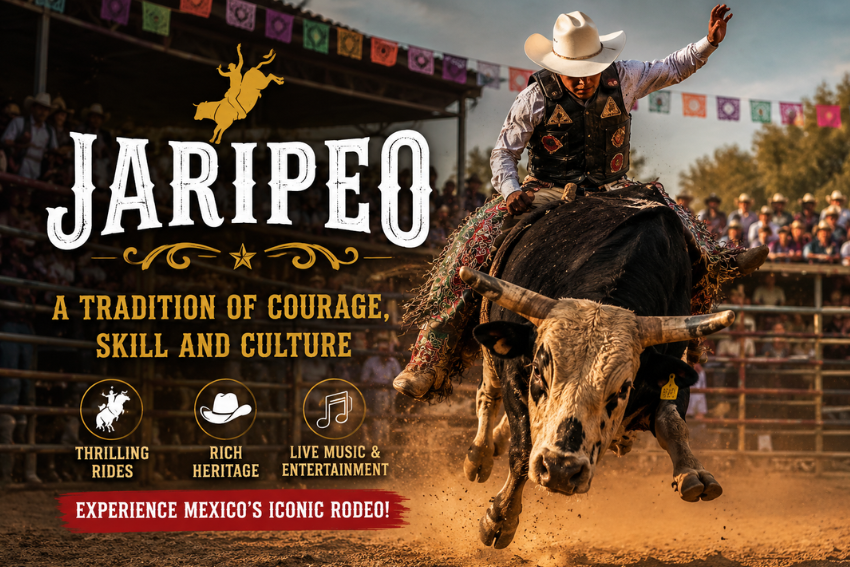
The Real Meaning Behind Jaripeo
A Jaripeo originally referred to a specific style of bull riding that originated in the Mexican state of Jalisco. The word itself comes from the Purépecha language, an indigenous language from Michoacán. Over time, the term grew to describe the entire event surrounding the bull riding.
Today, a Jaripeo combines several key elements.
- Bull riding (the main attraction)
- Live regional Mexican music, especially banda or norteño
- Traditional food and drink
- Dancing that often lasts until sunrise
- Family gatherings that span multiple generations
Unlike a formal American rodeo with strict rulebooks and timed events, a Jaripeo feels looser, more spontaneous. The crowd cheers not just for the rider’s skill but for his sheer guts. You will see riders, known as jinetes, climb onto the back of a bull without wearing protective vests or hard helmets. That rawness is part of the appeal.
A Quick Trip Through History
Jaripeo traces its roots back to Mexican haciendas in the 16th and 17th centuries. Hacienda owners needed to brand, sort, and manage their cattle. The ranch workers, many of whom had indigenous or mestizo backgrounds, developed unique riding and handling techniques. Over time, these practical skills turned into friendly competitions.
By the 1800s, Jaripeo events had become community staples. Villagers would gather on Sundays or feast days to watch local riders test themselves against angry bulls. The event provided a break from hard agricultural labor. It also gave young men a chance to prove their bravery and win admiration from the crowd.
As Mexicans migrated north to the United States, they brought Jaripeo with them. Today, you can find major Jaripeo events in California, Texas, Illinois, and other states with large Mexican American populations. These celebrations help immigrant families stay connected to their roots while sharing their culture with new neighbors.
How Jaripeo Differs from American Rodeo
People often confuse Jaripeo with rodeo, but the differences run deep. Let me highlight the main contrasts.
- Bull riding style.In an American rodeo, the rider uses one hand to grip a flat braided rope wrapped around the bull’s chest. The other hand must stay in the air. In a Jaripeo, the rider holds onto a leather strap or a wooden handle attached to a cotton cinch around the bull’s torso. He can use both hands if he wants.
- Riding duration.American bull riding requires the rider to stay on for eight seconds. Jaripeo has no fixed time limit. The rider continues until the bull stops bucking or the rider falls off. Some rides last only a few seconds. Others go much longer.
- American bull riders wear padded vests, helmets, and mouth guards. Jaripeo riders typically wear wide brimmed sombreros, button down shirts, jeans, and sturdy boots. No protective gear. The traditional look matters almost as much as the ride itself.
- American rodeo has complex scoring systems for both bull and rider. Jaripeo focuses on pure survival. The crowd decides who wins. Loudest cheers take the prize.
- Rodeos feel like sporting events with announcers, concession stands, and timed schedules. Jaripeo feel like block parties with bulls. Music blasts constantly. Families set up picnic blankets. Kids run around playing while their uncles take turns riding.
The Music That Makes Jaripeo Unforgettable
You cannot understand Jaripeo without understanding its soundtrack. Live bands play throughout the event. Most commonly, you will hear banda or norteño music.
Banda features heavy brass instruments like trumpets, trombones, and tubas along with percussion. The sound hits your chest like a punch. Norteño uses accordion and bajo sexto (a 12-string guitar) for a more melodic but still driving rhythm.
When a rider climbs onto a bull, the band plays faster. When the bull throws the rider, the music keeps going. Between rides, couples take over the makeshift dance floor. The dancing style varies from regional folk dances to modern cumbia steps.
Some Jaripeos even hire famous regional Mexican artists to perform after the bull riding ends. People pay admission just for the concert portion. The event then turns into a full night of dancing that lasts until 4 or 5 in the morning.
Food and Drink: Fuel for the Celebration
A Jaripeo without food makes no sense. Vendors set up rows of stalls offering classic Mexican street fare. You will find tacos al pastor with pineapple, carnitas tortas, elotes covered in crema and chili powder, and freshly made churros dusted with cinnamon sugar.
For drinks, expect horchata (sweet rice milk with cinnamon), jamaica (hibiscus iced tea), and plenty of Mexican sodas like Jarritos. Adult beverages include beer, tequila shots, and palomas. Many families bring coolers with their own food too. The atmosphere encourages sharing. Your neighbor’s taco might end up in your hand.
What Happens to the Bull?
A common question from first time attendees concerns animal welfare. In traditional Jaripeo, event organizers do not kill the bull. The bull performs for one event, then returns to the pasture. Most bulls come from local ranches and receive good care. A valuable riding bull represents a major investment.
However, practices vary. Some commercial Jaripeo have faced criticism for using spurs harshly or stressing animals. Responsible organizers follow guidelines that prioritize animal health. Many Mexican states now regulate Jaripeo to prevent cruelty. As a spectator, look for events that emphasize tradition over spectacle. A well run Jaripeo treats its bulls like athletes, not disposable props.
After the bull finishes bucking, handlers guide it back to a holding pen. The bull rests before the next rider. Most bulls quickly learn the routine and even seem to enjoy the attention from crowds.
Jaripeo as a Family Tradition
Ask any Mexican American why they attend Jaripeo, and you will hear the same answer: family. Grandparents bring grandchildren. Teenagers bring dates. Babies sleep in strollers while their father’s ride.
The event passes down skills and values from one generation to the next. Fathers teach sons how to balance on a wooden barrel before they ever climb onto a real bull. Uncles share tips on reading a bull’s body language. Mothers pack enough food to feed half the audience.
For many families living in the United States, Jaripeo provides a direct link to their ancestral homeland. The sights, sounds, and smells match exactly what their grandparents experienced in rural Mexico. That continuity matters enormously.
How to Experience Your First Jaripeo
Ready to attend a Jaripeo? Here is what you need to know.
- Find an event.Search online for Jaripeo near me plus your city or state. Check Facebook events as well. Word of mouth works great too. Ask at your local Mexican grocery store or taqueria.
- What to bring.Bring cash because many vendors do not take cards. Sunscreen and a hat help for daytime events. Earplugs are smart if you value your hearing, because the banda plays loud. Lawn chairs or a blanket let you sit comfortably.
- What to wear.Jeans and boots work best. Avoid open toed shoes. You will walk on dirt or grass, and drunk dancers might step on your feet.
- Etiquette tips.Cheer loudly for every rider, even the ones who fall immediately. Stand for the Mexican national anthem if they play it. Do not criticize someone’s riding unless you plan to get on a bull yourself. Tip the food vendors generously.
- Safety awareness.Stay behind barriers during bull riding. Bulls can jump surprisingly high. Keep children close. Drink plenty of water between beers. The sun and tequila mix poorly.
Modern Jaripeo: Evolutions and New Trends
Jaripeo continues to change. Female riders now participate more openly than in the past. Some events feature all women lineups. The rise of social media has also transformed the scene. Riders with popular Instagram or TikTok accounts draw huge crowds. Young fans want to see their favorite influencers get tossed in person.
Another trend involves fusion events. Some organizers combine Jaripeo with reggaeton concerts, skateboarding competitions, or even lucha libre wrestling. Purists complain, but these hybrid events attract younger audiences who might otherwise lose interest in tradition.
Professional Jaripeo circuits have also emerged. Organizations now offer prize money worth thousands of dollars. Top riders travel across Mexico and the United States competing in season long championships. This professionalization brings more safety standards and media coverage.
Why Jaripeo Matters Today
In an age of Netflix and video games, gathering outside to watch people ride angry bulls seems almost ancient. That is precisely why it matters. Jaripeo forces you to be present. You cannot scroll through your phone while a 1,500-pound bull charges past.
The event teaches risk, reward, and resilience. Every rider knows he will fall eventually. The point is to keep getting back up. That lesson applies far beyond the bull riding ring.
Jaripeo also resists cultural assimilation. For generations, Mexican Americans faced pressure to abandon their traditions in favor of mainstream American customs. Showing up to a Jaripeo represents a small act of rebellion. It says, my culture matters. My history matters. I will not erase myself to make you comfortable.
Final Thoughts
Jaripeo offers something rare in modern life. It provides a space where courage meets celebration, where tradition refuses to fade, and where a stranger becomes your friend by sharing his beer and his story. Whether you watch from the safety of the bleachers or climb onto the bull yourself, you leave with dirt on your shoes and a smile on your face.
Find a Jaripeo near you. Bring an open mind and an empty stomach. Let the music get stuck in your head. Cheer for the rider who gets thrown three times but keeps coming back. That rider represents the heart of Jaripeo. He falls, he rises, and he rides again.
Frequently Asked Questions
Is Jaripeo dangerous?
Yes, bull riding carries real risk. Riders regularly suffer broken bones, concussions, and bruises. However, serious fatalities remain rare. Most experienced riders learn how to fall safely. Spectators face minimal danger if they stay behind barriers.
Do they kill the bull in Jaripeo?
No. Traditional Jaripeo does not involve killing the bull. The bull returns to its pasture after the event. Some commercial events differ, but classic Jaripeo focuses on riding skill, not animal sacrifice.
Can anyone ride in a Jaripeo?
Most events allow anyone to sign up for a small fee. However, you should have prior experience. Riding a bull without training leads to serious injury. Attend a few events as a spectator first. Then consider taking lessons from an experienced jinete.
How long does a Jaripeo last?
Most events run four to six hours for the bull riding portion. If a concert follows, add another three to four hours. Many people arrive early and stay late, making a full day affair.
What is the difference between Jaripeo and charrería?
Charrería is Mexico’s national sport, similar to rodeo but with nine specific events including horse reining and roping. Jaripeo focuses almost exclusively on bull riding. Charrería has formal rules and federations. Jaripeo stays more casual and community driven.
Do I need to speak Spanish to enjoy Jaripeo?
Not at all. The announcers may speak Spanish, but you can follow the action easily. Nodding, clapping, and smiling work as a universal language. Bring a Spanish speaking friend if you want to understand all the jokes.