If you have ever found yourself asking “what does a wedding planner actually do?” you are not alone. Most couples enter into their engagement with a dreamy notion and a fuzzy concept that the wedding organizer will be existing somewhere in the process. However, the truth is much more complicated than people realize.
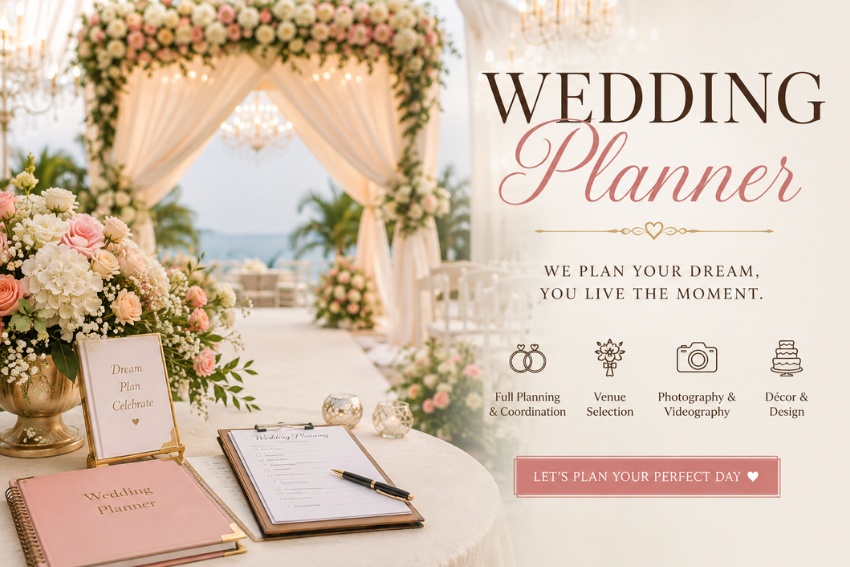
A wedding planner is not just someone who shows up on the big day with a clipboard and a headset. Think of them as the CEO of your celebration, the project manager who keeps every moving part aligned, and the calm presence who makes sure you actually enjoy the process instead of drowning in spreadsheets and email chains.
Now let’s explore what a wedding planner does, why couples are turning to a wedding planner more than ever and whether or not you need to hire one for your wedding.
The Big Picture: More Than Just Organization
A wedding planner can be your tour guide through the entire process. They assist you in developing your vision, creating a practical budget, suggesting and arranging vendors, managing timelines and arranging all the arrangements from the engagement announcement to the final goodbye brunch.
However, it’s not all about checklists. A wedding planner is an expert in your values, preferences and priorities. They help them understand your priorities as a couple, what kind of experience you’d like your guests to have and how you want to remember your wedding years in the future. In that knowledge, they decide for you or on your behalf; whether it’s a selection between two flower colors, or a last minute weather emergency.
The Different Levels of Wedding Planning Support
All couples require a different level of assistance. A professional wedding planner is able to provide you with a variety of levels of service, and knowing what each level entails, can save you from wasting money and time.
Full Service Wedding Planning
A full service wedding planner is engaged right from the start, sometimes even after you’ve gotten engaged. They lead all decisions, handle all vendors, create a whole experience that is truly personal and purposeful.
This level of support is ideal for couples who:
- Have demanding careers and limited free time
- Want clear guidance rather than guesswork
- Prefer a calm, structured planning experience
- Are planning a multi-day wedding or destination celebration
The rates for full service planners range anywhere from $6,000 to $25,000. Some of them charge a flat fee, while others of them take a commission, typically 10 to 15 percent of your total wedding budget.
Partial Planning
The wedding planner takes over some aspects of the wedding with a little planning. Perhaps you need assistance with vendor referrals, budget management or day of logistics — but you want to do the rest on your own. It’s a place that’s just right for couples who love to plan but need an expert in some aspects.
Month Of Coordination or Wedding Management
A coordinator usually comes in around 1-3 months prior to the wedding. They handle all your arrangements, confirm with the vendors, set up a timeline for the wedding day and execute on the big day.
Using full service planning: the planner becomes your project manager. If you’re the project manager, the coordinator will ensure that your vision is realized smoothly.
Also Read – Wedding Planner vs Wedding Coordinator: What’s the Difference?
What a Wedding Planner Actually Does: A Breakdown
Let’s get to the details. Let’s take a look at what a wedding planner does throughout the entire process.
Before You Book a Single Vendor
The best strategy you can go with is to hire a wedding planner prior to booking a venue. In the initial stages your planner can assist with:
- Establishing a realistic planning timeline
- Clarifying your budget priorities and how to allocate funds
- Guiding venue selection based on your vision, guest count, and logistical needs
- Recommending trusted vendors who align with your style and budget
- Creating a planning roadmap so nothing feels rushed or reactive
This foundation sets the tone for the entire experience. You don’t take a chance or wait it out for fear of the worst – you proceed with confidence.
Vendor Sourcing and Management
From 15 to 30 vendors are included in a typical wedding, such as the venue, florist, photographer, videographer, caterer, lighting designer, rentals, entertainment and transportation. Managing all the contracts, deposits and communication threads is a full time job in itself.
Your wedding planner handles all of that. They:
- Research and recommend vendors who fit your style and budget
- Reach out to check availability and gather proposals
- Review contracts and flag missing or unclear terms
- Manage certificates of insurance and venue paperwork
- Handle all communication with vendor teams
- Track final payments and due dates
Planners will generate repeat business for vendors, and they may be able to get discounts or better terms than you can get on your own. Many couples are able to save thousands of dollars just through the connections and contracting prowess of their planner.
Budget Management
Money talks are never easy, but they are always easy with your wedding planner. They can help you establish a budget right from the beginning so you don’t have any dreams that you can’t keep. They can help you keep your potential dreams in line with the venue, catering, musicians, flowers and more.
Your planner keeps a record of all your expenses and notifies you if you’re nearing your limits; he supports you in making trade off decisions throughout the planning process. When you have an unexpected attraction to a photographer whose price is higher than you were expecting, your planner may suggest another area to reduce expenses.
Design and Styling
There are also those wedding planners who serve as wedding designers as well. They make mood boards, palette and visual direction for your whole celebration. From the table setting to the lighting to the stationery, they make sure that everything has a sense of unity and purpose.
Some planners have a certain style they specialize in while others can take anywhere from the most obscure to the most outlandish vision and make it come true. They will ask you about your style, preferences and must have during your initial consultation and turn these into a clear design plan.
Timeline Creation and Management
This is where the magic really happens. Your wedding planner makes a complete schedule for the day, which may be as detailed as five minute increments. They arrange for the vendors to arrive, when pictures are taken, the ceremony begins, dinner is served, and toasts are made, as well as opening the dance floor.
On the wedding day itself, the planner is the one who is first point of contact for everyone. They:
- Manage the flow of the entire event
- Cue key moments like the processional, speeches, first dance, and cake cutting
- Coordinate with vendors to ensure everything runs on schedule
- Handle any unexpected issues quietly and quickly
Problem Solving and Crisis Management
Every wedding comes with surprises. Perhaps a vendor is late, the weather turns bad or a focal point goes awry. Your wedding planner will do it all and you will never know that there was a problem.
Planners have seen it all. They are adept at adapting, problem-solving and improvising. One of the greatest things that couples hire them for is the peace of mind that it gives them.
The Emotional Support Role
This aspect is seldom included in wedding lists, but it could possibly be the most critical one that is done by a wedding planner. They allow for the emotional elements, the family dynamics, the unknown changes and the nerves that come along during the final tally.
Your wedding planner is your sense of calm in all the chaos. They allow you to feel certain that someone is looking at all you, so you can actually enjoy every laugh, every happy tear and every minute of your wedding day.
Also Read – Wedding Planning Checklist
Why Couples Are Hiring Wedding Planners More Than Ever
Things have changed drastically in the world of weddings in these past few years. Today, couples are turning away from the cookie-cutters and toward very intentional and personalized experiences. Weddings are getting bigger, smaller, and sometimes more complicated.
Meanwhile, the use of AI in the wedding planning process is nearly doubled year over year, with 36 percent of couples using AI for the functional aspects, such as writing timelines and answering etiquette questions. However, despite the use of AI tools, couples also miss the personal connection, emotional savvy, and vendor relationships that a professional wedding planner can offer.
Other trends driving demand include:
- Multi day wedding experiences that require complex coordination
- Eco conscious and sustainable weddings
- Micro weddings with fewer than 50 guests, where every detail matters more
- Destination weddings that require local expertise
Is a Wedding Planner Worth the Investment?
It is really a question every couple asks. The simple answer is – it depends on your priorities, your budget and how you’d like to feel while planning.
So here are the numbers. Couples can expect to save 200-350 hours of work with a full-service wedding planner. It’s time to enjoy your engagement, spend time with your partner, and even look forward to your wedding, rather than dreading the next vendor meeting.
Additionally, the average couple can save 10-20% on their wedding expenses by working with planners and the negotiating power that they give them. The savings that many planners create is an effective way of paying their fee.
However, the financial value is not the only one. It’s the “less concerned about the florist arriving or the DJ” setting up in the right location, it’s the “no more” worrying about what you’ve forgotten, it’s the peace of mind and less stress.
How to Choose the Right Wedding Planner
Let’s say you choose to work with a wedding planner, here’s how you can locate the correct one.
Ask the Right Questions
- Are you available on my wedding date?
- How many weddings do you take on per year?
- Have you worked at my venue before?
- What is your pricing structure, and what does each package include?
- Can you provide references from past couples?
Look for the Right Fit
Your wedding planner will accompany you for months, sometimes even for more than a year. A person you’re really like and trust. At the first appointment, observe their attentiveness and listen to understand your vision, how well they understand, and how comfortable you feel being honest about your budget and priorities.
Book Early
If you are planning to pick a popular destination and are planning to tie the knot during peak wedding season, it is recommended to reach out to a wedding planner 12 to 18 months before the date of your wedding. The best venues and vendors fill up quickly, and it’s a huge advantage to be prepared with a planner on your side ahead of time.
Final Thoughts
A wedding planner isn’t just for the rich or the stressed out. They are a partner of strategy that will keep you in peace, in love and in budget while making your vision a celebration you will never forget.
From full service planning to partial support to month of coordination, you’ll feel supported, confident, and excited this wedding planner will get you through every step of the way. On your wedding day when everything goes so smoothly and you’re surrounded by people you adore, you’ll know why you employed them.
You should know what a wedding planner does, so the next step is to determine what kind of help you are looking for. But if you’re still undecided, keep in mind this is the best present you can give yourself while getting married: the freedom to enjoy it.