The field of recovery of addiction is evolving, driven by the recognition that overcoming substance use disorders requires more than a standardized protocol. Today’s most effective recovery models embrace numerous innovative strategies, ensuring that support is as dynamic and multifaceted as the people who need it. As these modern methods take center stage, individuals and families have more opportunities than ever to find lasting solutions to addiction. For more information on emerging recovery methods and resources, read on for a comprehensive breakdown.
Rather than relying strictly on abstinence-based programs and hourly therapy sessions, contemporary recovery is about individualized pathways. Whether harnessing technology for virtual care, blending holistic therapies, or emphasizing the vital role of peer groups, each element adds depth to the recovery experience. Integrating harm reduction strategies and mental health treatment, while advocating for family involvement, underscores the commitment to whole-person healing.
Approaches today are not just about stopping substance use—they aim to restore self-esteem, encourage community reintegration, and address the underlying issues that often accompany addiction. As professionals increasingly collaborate, evidence-based strategies continue to be refined, leading to more sustainable outcomes for those seeking transformation.
The journey to recovery is rarely linear, but by adapting to individual needs and social realities, these new approaches are building healthier futures for individuals and communities alike. For those eager to understand the shifts reshaping this landscape, a closer look at contemporary practices reveals the heart of successful, ongoing recovery.
Personalized Treatment Plans
Recognizing the uniqueness of every individual’s experience with addiction is central to modern treatment. Unlike rigid, uniform programs of the past, today’s centers design plans that address clients’ specific needs, backgrounds, and preferences. Often, this means integrating multiple therapeutic approaches—such as cognitive-behavioral therapy, medication-assisted treatment, and trauma-informed care. These tailored plans promote increased engagement and empower individuals to take an active role in their recovery. Research from organizations such as the National Institute of Mental Health supports this more nuanced, multi-dimensional strategy for recovery.
Integration of Technology
As virtual communication has become the norm, technology’s role in addiction recovery grows increasingly significantly. Telehealth platforms enable patients to connect with licensed counselors, regardless of their location, thereby breaking down barriers caused by geography or limited access to care. Meanwhile, innovations like virtual reality exposure therapy equip individuals to safely confront and manage triggers, helping them build confidence in real-world situations. Mobile apps, wearable devices, and secure chat functions further enhance support between sessions, making treatment adaptable and consistently accessible.
Holistic Therapies
Successful recovery addresses more than substance misuse; it nurtures the physical, emotional, and even spiritual well-being of participants. Accordingly, many treatment centers now incorporate holistic therapies, including mindfulness meditation, yoga, and creative arts. These techniques have been shown to reduce stress and anxiety, boost self-awareness, and provide coping mechanisms that are essential for long-term sobriety. Incorporating practices rooted in wellness promotes balance and resilience, supporting people in building fulfilling, substance-free lives.
Peer Support and Community Involvement
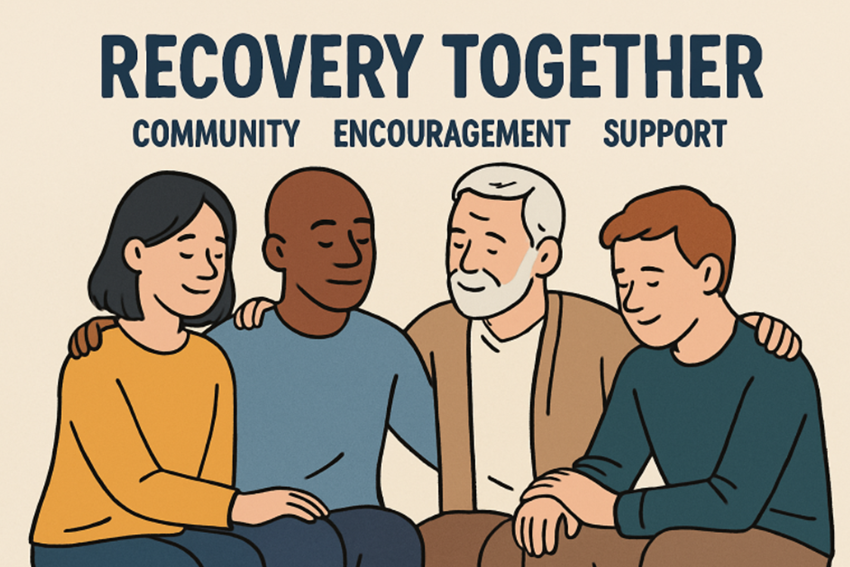
Community is at the heart of the most enduring recovery stories. Support groups and community involvement help break the toxic cycle of isolation, providing encouragement and real-life examples of progress from those facing similar struggles. Programs like Better Futures Minnesota have demonstrated the transformative effect of helping individuals access job training and stable employment as part of their recovery journey. These networks foster mutual accountability, shared hope, and a sense of belonging, all of which are vital for preventing relapse and promoting growth.
Harm Reduction Strategies
The principle of harm reduction acknowledges that not all people are ready or able to stop substance use immediately. By prioritizing health and safety first, harm reduction measures—such as distributing naloxone, providing sterile needles, and offering supervised consumption sites—can save lives and create bridges to more comprehensive treatment. These strategies also combat stigma and encourage more individuals to seek help in a nonjudgmental environment. Organizations like the National Harm Reduction Coalition have been at the forefront of advancing and educating about these crucial interventions.
Family Involvement in Recovery
Addiction impacts more than the individual. It reaches deeply into families and relationships. Successful recovery programs now commonly involve family members through therapy and educational workshops, helping to restore trust, rebuild communication, and foster understanding. Initiatives like those developed by Futures Recovery Healthcare and the Family Recovery Collective offer models for supporting families, underscoring the importance of a unified support system in the healing process.
Addressing Co-Occurring Disorders
Many struggling with addiction are also living with untreated mental health conditions such as depression, anxiety, or PTSD. Integrated dual-diagnosis treatment addresses both substance use and mental health challenges simultaneously, laying the groundwork for comprehensive healing and stability. This whole-health approach recognizes that untreated mental illness can be a significant barrier to sobriety and prioritizes the care of the entire individual, enhancing outcomes for long-term recovery. The Substance Abuse and Mental Health Services Administration has established best practices for dual treatment approaches to support sustainable recovery.
Conclusion
The future of addiction recovery lies in thoughtful innovation, a blend of scientific advancement, holistic healing, supportive communities, and compassionate care. By embracing modern recovery approaches, individuals and families gain access to more flexible, effective, and comprehensive services. The evolution of addiction treatment is unlocking new possibilities, creating a path to healthier futures for all.