That nightly battle over a plate of greens is a familiar scene in so many homes. For any parent or foster carer, getting children to eat well can be a real source of frustration, especially when you’ve cooked a meal you know is good for them, only to have it refused.
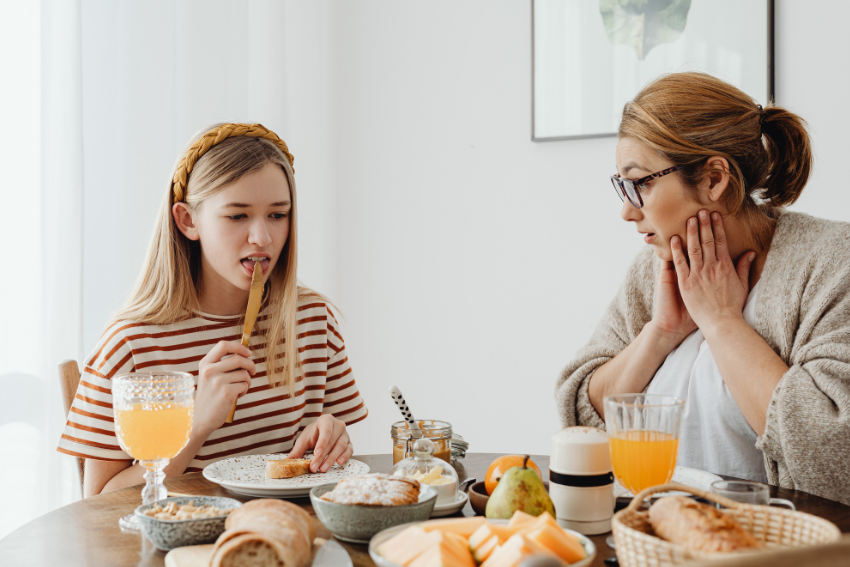
This can be a particular point of difficulty for looked-after children, who might have anxieties around food or simply be unused to regular mealtimes. But what if you could change the dynamic? By turning healthy eating into a team effort, you can make the dinner table a place of connection, not conflict.
Create a Kitchen Team
The single most effective way to get a child on board is to involve them. A child who has helped make a meal has a real sense of pride in it, and that makes them far more likely to eat it. Start by planning meals for the week together.
Let them choose between two healthy meals you’re happy to cook, so they feel they have a say. Turn the food shop into a bit of a mission by asking them to find the reddest pepper or the crunchiest-looking carrots.
In the kitchen, give them jobs that suit their age. Little ones can wash salad or stir ingredients, while older children can grate cheese or measure out pasta. This builds both their confidence and useful skills for later life.
Make Good Food Look Fun
It’s a cliché, but it’s true: we all eat with our eyes, and children are no exception. How a meal looks matters more than you might think. This doesn’t mean you need to be a professional food stylist. Simple tweaks can make all the difference.
Use a biscuit cutter to make a sandwich or a piece of fruit into a fun shape. Arrange vegetables on the plate to look like a face. Creating quirky names for dishes often works wonders. Another great way is to have a make-your-own night.
Lay out whole meal wraps, lean mince, and bowls of colorful, chopped salad and let everyone build their own. Suddenly, the focus isn’t on being told what to eat, but on the fun of doing something together.
Your Plate is the Best Guide
Children are natural mimics, and they learn more from what you do than what you say. Your plate is the most powerful example at the table. If they see you healthy eating and enjoying a wide range of foods, that behavior will seem normal to them. Try to avoid labelling foods as ‘good’ and ‘bad’.
Talk instead about how carrots help us see in the dark or how pasta gives us energy to play. Using pudding as a bribe for healthy eating vegetables is a common trap, but it can create an unhealthy dynamic, teaching them that the main meal is just a hurdle to overcome.
Healthy eating together at a table, without screens, provides a daily opportunity to model these good habits and simply talk. If you are a foster carer with an agency like Foster Care Associates, mealtimes at the table are a great way for children to get to know you all as a family.
It’s a Marathon Not a Sprint
Changing your family’s healthy eating habits is a marathon, not a sprint. It takes time and consistency, so be patient with the process and with yourself. Make sure to praise the small wins, like when someone tries something new without a fuss.
By making food a shared activity instead of a source of stress, you’re doing more than just building healthy bodies. You’re creating a more peaceful home, strengthening your relationships, and giving them a positive relationship with food that will benefit them for their entire lives.
Conclusion: A Healthy Relationship with Food
This has nothing to do with a child blindly eating vegetables. The goal is to raise an adult who understands nutrition, listens to their body, and doesn’t have a negative, stressful relationship with food.
When you embrace healthy eating as a family value, family behavior, an exercise in teamwork, discovery, fun, and bonding, you’re not just putting dinner on the table. You’re building a foundation of health and happiness that will last a lifetime. So, relax and breathe, gather the family, and begin your sweet new adventure.