Skin Barrier Damage is one of the most widespread and neglected issues with skin health in general. It is commonly followed by dryness, sensitivity, acne outbreak, and aging. The initial defense mechanism against environmental stressors, pollution, toxins and loss of moisture is the skin barrier. Once this protective layer is affected, even the most excellent skincare products may aggravate instead of calm down.
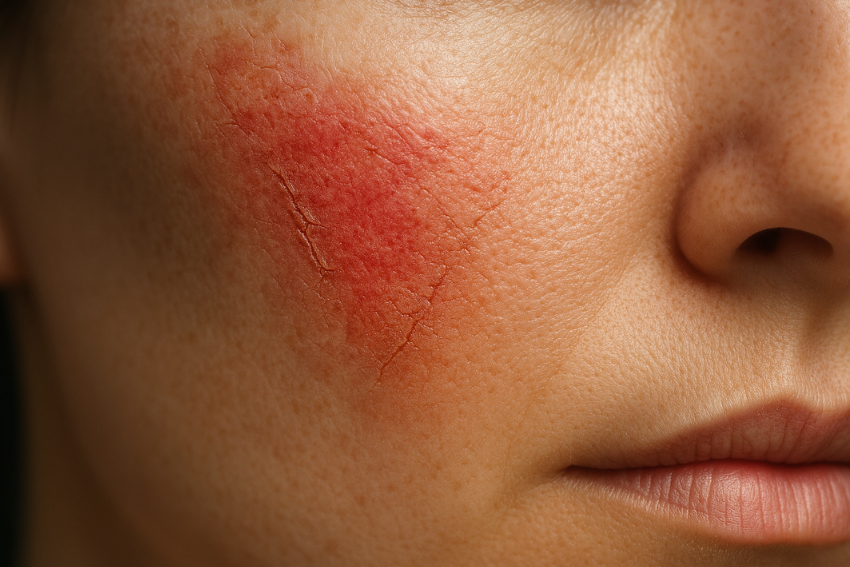
It is important to learn how the skin barrier is damaged and when to confirm that it is damaged and to have a clue of the signs of the problem to ensure that the skin is healthy and strong.
No matter whether your skin is always red, tight, acne-prone, or you just feel the need to make an improvement in your routine, this ultimate guide will allow you to see what the problem is and normalize it.
We will discuss lifestyle, the most common skincare error, and all the treatment options that can restore your skin barrier to its natural condition and protect it over the next several years.
What is Skin Barrier? Why Should You Care?
Imagine a barrier to your skin is a brick wall. These are the cells, and the natural lipids which are ceramides, cholesterol, and fatty acids are the mortar that binds the cells together. The topmost skin layer is the stratum corneum and is as thin as a few sheets of paper and performs most of the tasks in safeguarding your body.
When your skin barrier is functioning at its prime, it traps moisture in and keeps out potential irritants and allergens and maintains your skin’s pH balance. It’s what makes your skin plump, smooth, and resistant to environmental aggressors.
A good barrier means your skincare products perform better, your makeup goes on better, and dang it feels nice, which is what really, really does.
But what happens when that barrier is breached? All bets are off. Moisture evaporates more quickly, irritants penetrate further, and your skin becomes a battleground of inflammation and misery.
The worst part is, barrier compromise generally occurs over time, so you may not even be aware of what’s going downhill until things get uncomfortable.
The Sneaky Causes of Skin Barrier Damage
Skin barrier damage rarely happens overnight. It is the result of repeated assaults from various sources, many of which seem harmless at first glance. Let’s break down the usual suspects.
Over-Cleansing and Harsh Products
We’ve all been (or at least I have been) there: sudsing up with that squeaky-clean sensation three times a day, in the name of doing our skin some good. Plot twist: you’re likely sabotaging your barrier. The harsh sulfates in most store-bought cleansers rid your skin of more than just dirt and oil — they take away those essential natural lipids that keep your skin safe!
Weather Extremes and Environmental Stress
From the cold winter wind stealing your skin’s moisture, to hot summer temperatures irritating and assaulting your skin with free radicals, even Mother Nature wants to break through that barrier! Cold weather and hot indoor air aren’t doing any favors, creating a desert-like situation that your skin is not prepared for. And then there is pollution – the invisible foe. Dust, emissions, and hydrocarbons: The filter against urban pollution. Your skin’s protective lipid layer is attacked by free radicals from particulate matter, exhaust fumes, and industrial pollutants.
The Skincare Obsession Trap
Ironic, is it not? We ruin the very thing that defends us against it in our pursuit of bright, clear skin. Piling on numerous active ingredients at once (retinoids, acids, vitamin C, and so forth) can slap your skin in the face with the “too many cooks” syndrome that stifles its repairing mechanisms.
Both products could be good on their own but layering them without understanding the interactions they will cause is akin to mixing a chemical cocktail that breaks down the barrier faster than it can repair.
The 10-step routines and relentless product cycling that are fixtures of Instagram-skincare culture can be compelling, but sometimes your skin just doesn’t require all that much. Sometimes it requires less, and it certainly requires gentler.
Recognizing the Signs: Is Your Barrier Damaged?
Your skin will warn you of something going wrong and you must know the signs. The damage of a barrier manifests itself in a variety of ways.
Persistent Dryness and Dehydration
When all the moisturizer has been applied, and you feel that then the skin is dry, something is not alright. When the permeable becomes weak and unable to retain moisture, hydration evaporates fast. Your skin can be tight, flaky and rough to touch, hours after putting products on.
Redness and Inflammation
Chronic redness, particularly centered about the nose/cheeks/forehead, suggests barrier breach. Inflammation is a response to your skin’s being in defensive mode, fighting off threats, it can’t be excluded anymore.
Frequent Breakouts or Skin Infections
When your barrier is compromised, bacteria can infiltrate more easily, which leads to increased breakouts. Paradoxically, you can have both dryness and acne at the same time, a piss-off cycle that leaves a lot of people strung out.
That Uncomfortable Tight Feeling
In case the skin on your face feels significantly tight, particularly following a cleansing process, chances are that the protective layer is damaged. Healthy skin that is supple and healthy needs to give a comfortable and pliant feeling rather than a feeling of tightness and constriction.
Changes in Skin Texture
Worsening rough patches, more visible fine lines, or just an overall dull complexion can all indicate barrier damage. With a compromised protective barrier, skin cell turnover will be in disarray, which causes issues with the texture.
Also Read – Best Foods for Healthy and Glowing Skin
The Safe Repair Plan: Healing Your Skin Barrier
Here is the good news: barrier damage is reversible. With a proper approach, patience, and use of the appropriate products, it is possible to put the protective functionality of the skin back into place and resume comfortable, healthy skin.
Step 1: Immediately Pare Down Your Routine
This is where almost everybody balks, but it is non-negotiable. Reduce your routine to only the most essential products: a mild cleanser, a great moisturizer, and an SPF in the A.M. That’s it. No acids, no retinoids, no actives of any sort until your barrier gets a chance to start healing.
Think of it as nursing a wound. You wouldn’t rub chemicals in an open cut, right? Handle your impaired barrier with that same respect and tenderness.
Step 2: Pick the Perfect Cleanser
This is whereby products like face wash creams come in. Our cream-based cleanser, which is PH balanced, is more effective in cleansing the skin without damaging the natural acid mantle of the skin like using harsh and stripping cleanser. Creaminess gives the skin a protective layer when eliminating impurity and does not deprive the skin of its natural oils as it does not contain any sulfates.
An appropriate cleanser must leave the face feeling clean, but not tight or too cleansed, just refreshed, but without a sanded texture. Achievement of a squeaky-clean appearance would mean that the cleansing action has been overdone.
Step 3: Layer in Barrier-Supporting Ingredients
Once you have got cleansing sorted, focus on products with ingredients that actively rebuild barrier function:
- Ceramides are the MVP here. These lipid molecules are naturally found in your skin barrier and applying them topically helps restore the mortar between your skin cells. Look for products with multiple types of ceramides for the best results.
- Cholesterol works alongside ceramides and fatty acids in the ideal 1:1:1 ratio to rebuild barrier structure. This specific combination has been shown in studies to be most effective for barrier repair.
- Niacinamide is a multitasking ingredient that strengthens barrier function, reduces inflammation, and regulates oil production without irritation.
- Hyaluronic acid pulls moisture into the skin and helps it stay there, though it works best when your barrier is intact enough to prevent that moisture from evaporating.
Step 4: Protect, Protect, Protect
The more your shield is mending, the more you need to defend yourself. This means:
- Applying broad-spectrum SPF every day (both indoors and outside — UVA rays can pass through windows!)
- Not exposing it to very cold and hot temperatures
- With an air cleaner and a humidifier in case of a dry environment
- Dressed for the weather in protective clothing
- Using new products or ingredients extra carefully
Step 5: Give It Time and Consistency
Here is the hard truth: barrier repair takes time. You might see some improvement within a week or two, but full restoration can take anywhere from four to twelve weeks, depending on the severity of damage. During this period, consistency is everything.
Your skin might go through an adjustment period where it does not look its absolute best. That is normal and temporary. Trust the process.
Also Read – How to Choose Skincare Products for Your Skin
Barrier Repair Versus Quick Fixes: What Actually Works?
| Aspect | Genuine Barrier Repair | Quick Fixes (Band-Aid Solutions) |
|---|---|---|
| How It Works | Uses the correct ratio of ceramides, cholesterol, and fatty acids to reconstruct barrier layers. | Uses occlusives or heavy creams to lock in existing moisture without repairing structure. |
| Results Timeline | Slower, progressive, but long-lasting improvements. | Immediate relief but short-term; effects fade quickly. |
| Effect on Barrier Health | Strengthens and restores barrier integrity. | Does not repair damage; it may delay proper healing if relied on. |
| Face Oils Role | Oils like jojoba and squalane can support barrier repair when used correctly. | Some oils simply sit on the surface without repairing, may feel moisturizing but not rebuilding. |
| Skin Sensation | May feel mild, lightweight, or less dramatic at first. | Feels instantly soothing, heavy, or cushioned. |
| How Much Product Really Matters | Less is more — minimal, strategic use can assist the skin in healing properly. | Overpacking products can suffocate weakened skin and hinder recovery. |
| Long-Term Skin Health | Leads to stronger, healthier, more resilient skin. | Temporary relief, underlying issues remain. |
Prevention: Maintaining a Healthy Barrier Long-Term
- Be thoughtful or picky about which activities you decide to include back in your life. When you do, ease in slowly — maybe once a week or a few times, not every day. And pay attention to your skin’s reactions and adjust if necessary.
- Keep using a mild, pH-balanced cleanser like the creamy face wash, not only after your barrier heals. The aim is not to fix for the short term but to create sustained health. Nasty products may work in the short term, but they prime you for eventual barrier failure.
- Adjust your routine seasonally. It’s not one-size-fits-all skin care: Your needs are different based on the weather, and just because something is working for you in August does not mean it’s going to work that way come January. In the colder months, more occlusives; during a humid summer, lighter hydration, flexibility is key.
- Stay consistent with sun protection. UV damage is cumulative and worsens the barrier function in parallel with time. SPF 365 is non-negotiable if you want to maintain long-term bulk barrier health.
When to Seek Professional Help
In case the symptoms do not improve or increase after 8 to 12 weeks of barrier-concentrated care, or in case one is uncertain about the knowledge gained on a recently launched product, a dermatologist can be consulted. In the case of underlying conditions (eczema or rosacea), prescription treatment can be needed.
Severe conditions, such as excessive oozing, large crusting, excruciating pain, or active infection conditions, are the cases that require urgent medical intervention. Trying to be a hero or solve serious medical issues only through skincare is not a wise thing to do.
In case you suspect that allergies or sensitivities are also not making your barrier issues any easier, a dermatologist can help you figure out the particular triggers that can cause the problem by patch testing.
The Bottom Line: Your Barrier Is Worth Protecting
The skin barrier is not a specialized term, only known by dermatology experts. It defines whether the person is easy and well in their own skin or has constant discomfort, irritation, and sensitivity. Mending the integrity of the barriers takes time, determination and often a complete change of attitude toward skincare. It entails putting emphasis on small-scale, long-lasting outcomes as opposed to radical changes, simplicity over complexity and long-term health over short-term solutions.
What is encouraging is the fact that the skin has natural healing powers. The skin barrier can be replenished when exposed to favorable conditions, including a calm wash with products that have a pH balance, enough flushes, and food, and ample time. All one needs is to avoid rough products and excessive regimens.
Learn to notice what your skin is saying. That tightness, that sensitivity, that ongoing dryness, these are not problems to cover over with heavier creams or more product. They are your skin begging for tenderness, for simplicity, for the opportunity to reconstitute its natural defenses.
Your barrier has been keeping you safe all time. Perhaps it’s time to return the compliment.